



Shish Kebab, an enduring symbol of Turkish cuisine, represents a culinary art form deeply rooted in Anatolia’s rich history, nomadic traditions, and diverse cultural landscape. Far more than mere grilled meat on a stick, Shish Kebab embodies centuries of gastronomic evolution, transforming simple ingredients into a masterpiece of flavor and texture.
This comprehensive digital atlas serves as a meticulously charting Shish Kebab’s journey from prehistoric fires to its place in Seljuk and Ottoman palace kitchens, and its eventual diversification into countless regional varieties across Turkey.
For the food historian, the culinary tourist, and the ambitious home chef alike, we will delve into its ancient origins, explore the nuances of meat selection and marinades, map its regional forms, and unravel the cultural narratives that have shaped this timeless culinary legacy.
Join us as we explore the past, present, and future of Shish Kebab, understanding why this humble dish remains a cherished testament to Anatolian gastronomy.

Shish Kebab:
A Timeless Culinary Art on a Skewer
Shish Kebab is arguably one of the most recognizable and beloved forms of kebab globally, yet its origins and the depth of its cultural significance often remain unexplored. It represents a fundamental human cooking technique – skewering meat over fire – that has evolved into a sophisticated culinary art form within Anatolia.
This section introduces the profound cultural importance of Shish Kebab, setting the stage for a comprehensive exploration of its history and diverse manifestations.
More Than Just Grilled Meat: The Cultural Significance of Shish Kebab
Shish Kebab transcends its identity as simply grilled meat, embodying deep cultural significance within Turkish society.
- Symbol of Hospitality: Serving Shish Kebab is often an act of generosity and hospitality in Turkish culture, particularly when welcoming guests or celebrating special occasions. It signifies abundance and an invitation to share.
- Communal Dining: The act of grilling and sharing Shish Kebab fosters community and social bonding. It’s often the centerpiece of family gatherings, picnics, and celebrations, encouraging interaction and shared enjoyment.
- Culinary Heritage: Shish Kebab is a direct link to ancient nomadic and pastoral traditions, representing a continuous line of culinary heritage that connects modern Turkey to its historical roots in Anatolia and Central Asia.
Regional Pride: Many Turkish cities and regions boast their own distinct Shish Kebab varieties, serving as a source of local pride and a representation of their unique gastronomic identity.
Navigating the Legacy: Our Shish Kebab Digital Atlas
This Pillar Page aims to be the definitive digital resource for understanding Shish Kebab, offering a comprehensive and authoritative perspective.
- Historical Genesis: We will trace the ancient origins of skewered meat, from prehistoric cooking to its development within early Turkic and Anatolian civilizations.
- Evolutionary Journey: An in-depth look at how Shish Kebab evolved through the Seljuk and Ottoman periods, from palace tables to popular street food.
- Ingredient Mastery: An exploration of meat selection, the science and art of marinades, and proper skewering techniques.
- Regional Diversity: A culinary map of Turkey, highlighting the myriad of Shish Kebab varieties and their unique characteristics.
- Grilling Artistry: Detailed insights into mastering charcoal grilling and achieving the perfect texture and flavor.
- Serving Traditions: Examination of traditional accompaniments and the social rituals surrounding Shish Kebab.
Beyond Recipes: This article goes beyond simple recipes, positioning Shish Kebab within its historical, cultural, and geographical contexts to provide a holistic understanding of its enduring legacy.
Tracing the Roots:
The Ancient History of Skewered Meat
The practice of skewering and grilling meat over an open flame is one of humanity’s oldest cooking methods, predating complex culinary techniques. The history of Shish Kebab therefore reaches back into antiquity, connecting modern Turkish cuisine to the earliest forms of human sustenance and celebration. Understanding these ancient origins provides crucial context for the dish’s enduring appeal and its profound cultural embeddedness.
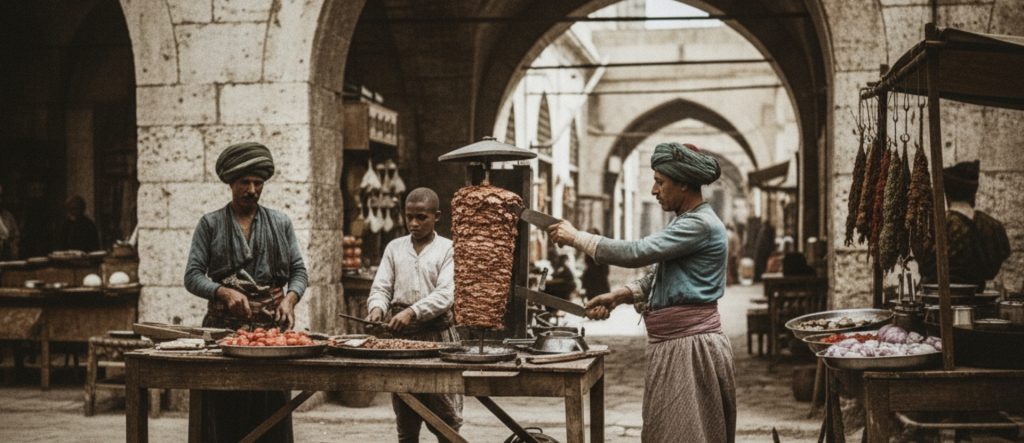
From Prehistoric Fires to Nomadic Traditions
The concept of cooking meat on a stick over fire emerged out of necessity and efficiency in prehistoric times, evolving with nomadic cultures.
- Paleolithic Origins: Archaeological evidence suggests that early humans, utilizing fire, would have cooked pieces of meat on sharpened sticks over open flames. This simple method allowed for even cooking and portion control.
- Nomadic Lifestyle: For nomadic Turkic tribes in Central Asia and Anatolia, who relied heavily on livestock (sheep, goats, cattle), cooking meat on skewers was a practical solution for preparing meals while on the move. The term “kebab” itself has ancient roots, referring to roasted or grilled meat, and is believed to have been adopted by these cultures.
Efficiency and Portability: Skewered meat was efficient to cook, required minimal equipment, and could be easily shared. It was a staple of tribal diets, a direct method of transforming raw ingredients into sustenance with the most readily available resources: meat and fire. This fundamental practice laid the groundwork for all future iterations of Shish Kebab.
Shish Kebab in Seljuk and Early Ottoman Eras
As Turkic tribes settled in Anatolia and established powerful empires like the Seljuks and later the Ottomans, the art of skewered meat continued to evolve, becoming more refined.
- Seljuk Influence: The Seljuk Turks, who established significant empires in Anatolia (11th-13th centuries), brought with them a rich culinary heritage from Central Asia. Their cuisine featured various grilled meats, and the term “Shish” (meaning skewer) likely became more formalized during this period. The emphasis was still on simple, quality meat cooked over an open fire.
- Early Ottoman Period: In the early Ottoman Empire (14th-15th centuries), kebab, including various forms of skewered meat, was a common dish. It was consumed by both the common populace and, in more refined forms, within the developing palace kitchens. The simple, direct method of cooking meat on skewers remained popular due to its taste and practicality.
Introduction of Spices and Marinades: As Ottoman culinary culture developed, so did the use of various spices and rudimentary marinades, though not as elaborate as later periods. The basic concept of Shish Kebab – chunks of meat on a skewer – remained consistent, but the refinement of preparation and seasoning began to take hold, foreshadowing the immense diversity that would follow. The transition from nomadic simplicity to a more settled, nuanced approach to cooking was a defining characteristic of this era.
The Evolution of Shish Kebab:
Ottoman Palace to Anatolian Heartlands
The journey of Shish Kebab from its ancient, rustic origins to its sophisticated forms in Ottoman palaces and its diverse interpretations across Anatolian heartlands reflects a rich culinary evolution. This period saw Shish Kebab transcend its utilitarian roots, becoming a dish that satisfied both the refined palates of royalty and the robust appetites of the common folk, embodying a dynamic interplay between imperial culinary trends and regional adaptations.
Royal Tables and Street Stalls: Kebab in Imperial Cuisine
During the zenith of the Ottoman Empire, Shish Kebab, like many other dishes, found its place in both the opulent palace kitchens and the bustling street stalls, showcasing its versatility and widespread appeal.
- Palace Refinement: In the Topkapı Palace kitchens, kebab preparation reached new levels of sophistication. Chefs would use prime cuts of meat, intricate marinades (often involving fruits, honey, and exotic spices from across the empire), and meticulous presentation. There were specific kebab masters (“kebabçıbaşı”) responsible for perfecting various grilled dishes. These palace kebabs were often delicate, subtly spiced, and meticulously crafted, a stark contrast to their simpler street counterparts.
- Street Food Popularity: Simultaneously, Shish Kebab remained a hugely popular and accessible street food. Small kebab shops and vendors catered to the everyday populace, offering quick, affordable, and delicious grilled meats. This dual presence highlights kebab’s adaptability – from a dish fit for a sultan to a nourishing meal for the common citizen. The techniques employed in street stalls often remained closer to the traditional, simpler methods, emphasizing the quality of meat and the skill of the griller.
A Bridge Between Classes: Shish Kebab acted as a culinary bridge, connecting different social strata through a shared love for grilled meat, even if the ingredients and presentation varied significantly. This ubiquitous presence ensured that the tradition of Shish Kebab continued to thrive and evolve.
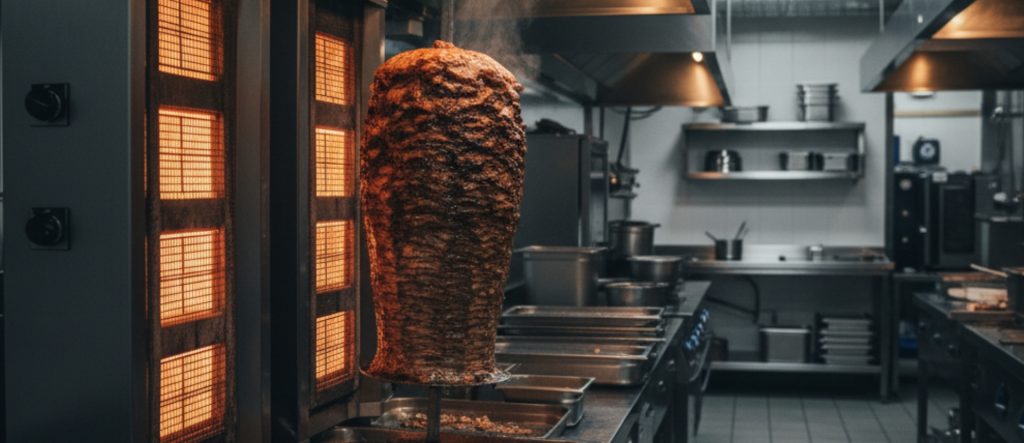
Regional Diversification: Where Shish Kebab Took Root in Anatolia
As the Ottoman Empire’s influence spread, Shish Kebab began to diversify into countless regional forms across Anatolia, each reflecting local ingredients, climates, and cultural preferences. This process of localization enriched the broader kebab tradition, creating a vibrant culinary map of distinct flavors.
- Local Ingredients and Livestock: Different regions had access to specific types of meat (e.g., tender lamb in the Southeast, leaner beef in central Anatolia), local herbs, and spices. This directly influenced the marinades and flavor profiles of regional Shish Kebab. For example, areas rich in pistachio and specific peppers often incorporated these into their local kebab styles.
- Climatic Adaptations: The climate also played a role. In hotter regions, spices might be used more liberally to stimulate appetite, while in colder areas, richer, fattier cuts might be preferred for warmth and sustenance.
- Cultural Influences: Local customs and ethnic groups contributed unique cooking methods or flavor combinations. Each town or village might have a subtly different way of preparing their Shish Kebab, often a source of immense local pride. This led to the naming of kebabs after their towns of origin, solidifying their geographical and cultural identity.
Examples: This period saw the informal development of distinct styles that would later become famous, such as the various forms of Adana and Urfa (though often minced, they are also skewered), Tokat Kebabı, and specific regional lamb or chicken shish variations, each with its own story and fan base. This diversification underscores Anatolia as a true melting pot of culinary innovation rooted in a shared love for grilled perfection.
The City at Your Feet
Conrad Istanbul Bosphorus: Your Terrace to an Unforgettable Skyline
After exploring the historic streets below, rise above it all to a sanctuary of contemporary luxury.
From our sweeping terraces, watch the continents converge and the city’s ancient silhouette light up the night sky. At the Conrad, the most breathtaking view of Istanbul is the one from your room.

Anatomy of a Shish:
Meat, Marinades, and Mastering the Skewer
The creation of a perfect Shish Kebab is a meticulous process that begins long before the meat hits the fire, involving careful selection of ingredients, thoughtful marination, and the precise art of skewering. Understanding the “anatomy of a Shish” reveals the scientific and artistic principles behind achieving that tender, juicy, and flavorful result.
The Art of Meat Selection: Lamb, Beef, and Chicken Varieties
The quality and type of meat are paramount to the success of Shish Kebab, with each variety offering a distinct experience.
- Lamb Shish:
- Traditional Choice: Lamb is the most traditional and highly prized meat for Shish Kebab in Turkey, particularly from younger animals.
- Preferred Cuts: Best cuts include leg (but), shoulder (kol), and tenderloin (fileto). Crucially, small cubes of lamb tail fat (kuyruk yağı) are often interspersed between meat pieces on the skewer. This fat renders during grilling, basting the meat and keeping it incredibly juicy and flavorful.
- Flavor Profile: Offers a rich, distinctive, and slightly gamey taste with a succulent texture.
- Beef Shish:
- Popular Alternative: Beef is a popular choice, especially in regions where lamb might be less abundant or for those who prefer a milder flavor.
- Preferred Cuts: Tenderloin (bonfile), sirloin, or top round are good choices. Marinating is even more critical for beef to ensure tenderness.
- Flavor Profile: Heartier and less fatty than lamb, beef shish kebab is robust and satisfying, often benefiting from longer marination.
- Chicken Shish (Tavuk Shish):
- Health-Conscious Choice: Chicken Shish, known as “Tavuk Shish,” is a lighter and very popular alternative.
- Preferred Cuts: Boneless, skinless chicken thighs are preferred over breast meat as they remain juicier and more flavorful.
- Flavor Profile: Mild, tender, and highly adaptable to various marinades. Its quick cooking time also makes it a favorite.
- Vegetable Shish:
Complementary and Vegetarian: Often includes large chunks of tomatoes, green peppers, red onions, and sometimes eggplant or mushrooms, either on their own skewers or interspersed with meat. These vegetables add freshness, sweetness, and textural contrast.
The Magic of Marinades: Regional Secrets and Scientific Principles
Marinades are crucial for Shish Kebab, tenderizing the meat, infusing it with flavor, and sometimes even aiding in browning. Their composition varies greatly by region and meat type.
- Purpose:
- Tenderization: Acids (yogurt, lemon juice) and enzymes (from onion, kiwi) can partially break down muscle fibers, making the meat more tender.
- Flavor Infusion: Spices, herbs, and aromatics penetrate the meat, enhancing its taste.
- Moisture Retention: Oil in marinades helps to seal in moisture and contributes to a good sear.
- Common Ingredients:
- Yogurt: A popular base for lamb and chicken, its lactic acid tenderizes without “cooking” the meat, and its fat contributes to juiciness.
- Olive Oil: Essential for flavor, moisture, and helping spices adhere.
- Onion Juice/Grated Onion: Enzymes in onion help tenderize, and its natural sugars aid in browning.
- Garlic: A common aromatic for depth of flavor.
- Spices: Red pepper flakes (pul biber), black pepper, dried oregano, cumin, and thyme are frequently used. Salt is added last, often right before grilling, as it can draw out moisture if added too early.
Regional Secrets: Each region has its preferred marinade. For example, lamb shish from the Southeast might feature more pul biber and less yogurt, while chicken shish often uses a yogurt-based marinade with more herbs. The duration of marination also varies, from a few hours to overnight.
Skewering Perfection: Technique and Presentation
Properly skewering the meat is an art that ensures even cooking, prevents the meat from falling off, and creates an appealing presentation.
- Choosing Skewers: Use sturdy metal skewers, ideally flat and wide for larger chunks of meat, to prevent the meat from spinning. For smaller cubes, round metal or even soaked wooden skewers can be used.
- Cutting the Meat: Meat should be cut into uniform cubes, typically 2-3 cm (1 inch) in size. Uniformity ensures even cooking.
- Alternating Ingredients: Traditionally, meat cubes are alternated with pieces of fat (especially lamb tail fat) and/or vegetables (green bell peppers, tomatoes, onions) on the skewer.
- Purpose: Fat bastes the meat, keeping it moist. Vegetables add flavor, moisture, and visual appeal.
- Tight but Not Compressed: Skewer the meat firmly, ensuring pieces are snug against each other but not overly compressed. Leave a small space at the ends of the skewer for handling.
Preparation Before Grilling: Skewers should ideally be assembled just before grilling. If preparing in advance, cover them and refrigerate to keep them cold, which helps them cook more evenly and prevents sticking.
Regional Shish Kebab Varieties Across Turkey: A Culinary Map
Turkey, with its vast geographical and cultural diversity, boasts an astonishing array of Shish Kebab variations, each a testament to local ingredients, traditions, and culinary ingenuity. While the basic concept of skewered meat remains, the type of meat, marinade, accompanying vegetables, and even the cooking method can vary dramatically from one region to another. This section serves as a culinary map, guiding you through some of the most famous and distinctive Shish Kebab forms found across Anatolia.
Sumac Onion Salad, Ezme (Spicy Paste), and Seasonal Greens
These accompaniments balance the main flavor and refresh the palate.
- Sumac Onion Salad (Sumaklı Soğan Salatası): The most classic accompaniment. Prepared with thinly sliced red onions (piyazlık), plenty of fresh parsley, and sumac. Sumac removes the sharp edge of the onions and is usually consumed wrapped inside lavaş with the kebab.
- Gavurdağı Salad or Acılı Ezme (Spicy Paste): Gavurdağı salad is prepared by finely chopping fresh vegetables and mixing them with pomegranate molasses and olive oil. Acılı ezme, which is tomato and pepper paste-based, prepared with garlic, parsley, and spices, is also essential.
- Seasonal Greens: Fresh greens like arugula (roka), parsley, and cress (tere), usually served with lemon and salt, aid digestion and leave a refreshing taste.
These dishes demonstrate that Turkish cuisine possesses a rich salad and meze culture.
Tokat Kebabı: The Unique Vertical Pit Experience
Tokat Kebabı, originating from the Black Sea region, offers a truly unique and specialized Shish Kebab experience, distinguished by its distinctive cooking apparatus.
- The Vertical Pit (Kuyu): This kebab is cooked in a custom-built, vertical brick oven or pit (kuyu). The pit contains a wood fire at the bottom, and a large metal tray is placed just above the fire.
- Preparation: Lamb (often shoulder or leg), large slices of eggplant, potatoes, tomatoes, and green peppers are carefully threaded onto long, vertical metal skewers. These skewers are then hung vertically inside the pit, allowing the fat and juices from the lamb to drip down onto the vegetables and the fire.
- Flavor Profile: The result is incredibly tender, moist meat and perfectly cooked, flavorful vegetables, all infused with a unique smoky aroma from the wood fire. The meat bastes the vegetables below as it cooks.
- Region: Tokat.
Serving: Typically served with fresh, thin lavaş bread and often a side of local yogurt. It’s a prime example of regional culinary specialization.
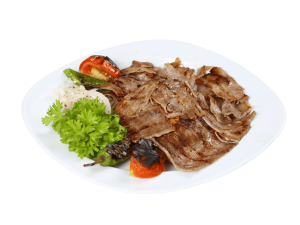
Orıgınal Turkısh Döner
The foundational Döner, traditionally made from marinated lamb or beef cooked on a vertical spit, is characterized by its rich meat flavor. Served simply on a plate with rice or wrapped in thin lavaş, it emphasizes the pure taste of the meat, often accompanied by basic onions and tomatoes.
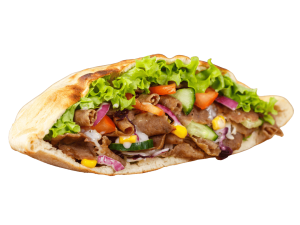
German Style Döner
A culinary icon born from Turkish migration, German Döner features a generous mix of fresh salads, diverse sauces (garlic, herb, spicy), and is often served in a large, quartered flatbread. This adaptation caters to varied tastes, making it a beloved street food staple across Germany.
Ciğer Shish (Liver Kebab): A Breakfast Delicacy
Ciğer Shish , or liver kebab, is a much-loved and distinct Shish Kebab variety, particularly cherished as a breakfast or early morning meal in several Turkish cities.
- Meat Type: Made from small cubes of lamb’s liver, often interspersed with small pieces of lamb tail fat or bell peppers on a skewer.
- Preparation: The liver is typically marinated very simply with just salt and black pepper, sometimes with a hint of red pepper flakes. The rapid cooking time of liver requires careful grilling.
- Flavor Profile: Offers a rich, distinct, and slightly earthy flavor, with a tender texture when cooked correctly. It’s crucial not to overcook liver, as it can quickly become dry and tough.
- Region: Especially popular in Southeastern cities like Gaziantep, Şanlıurfa, and Diyarbakır, where it’s a common sight at street stalls and restaurants for early risers.
Serving: Traditionally served with fresh parsley, thinly sliced onions with sumac, fresh mint, and hot, puffy lavaş bread, often accompanied by şalgam suyu.
Other Notable Shish Kebab Forms (Çöp Shish, Patlıcanlı Kebap)
The diversity of Shish Kebab extends further with numerous other regional and ingredient-specific variations that demonstrate Anatolia’s culinary creativity.
- Çöp Shish (Small Skewer Kebab):
- Description: Originating from the Aegean region, particularly Aydın, Çöp Shish uses very small, tender cubes of marinated lamb or mutton (often from the shoulder) threaded onto thin wooden skewers.
- Flavor Profile: Known for its intense meat flavor and a slightly charred exterior due to the small size and quick cooking over high heat. The marinade often includes onion juice, tomato paste, and spices.
- Serving: Usually served with tomato and pepper grilled on the same small skewers, and fresh bread.
- Patlıcanlı Kebap (Eggplant Kebab):
- Description: This kebab features alternating layers of minced lamb/beef meat patties (sometimes pure minced meat) and large slices of eggplant on a skewer.
- Preparation: The eggplant absorbs the meat juices and becomes incredibly tender and flavorful during grilling.
- Region: Popular in Southeastern Anatolia, especially in Gaziantep and Hatay.
- Serving: Often served with grilled tomatoes and peppers, and fresh bread.
Domatesli Kebap (Tomato Kebab) & Soğanlı Kebap (Onion Kebab): Similar concepts where minced meat or meat cubes are alternated with large chunks of tomato or onion on skewers, reflecting seasonal produce and regional preferences.
Your Istanbul Journey, Perfected

Garenta: Discover More of Turkey


ON Bank: Finance Your Legacy

The Art of Grilling:
Charcoal, Temperature, and Flavor
The true magic of Shish Kebab lies in the grilling process, an ancient art that transforms raw meat and vegetables into a symphony of flavors and textures. Mastering the grill involves understanding the nuances of charcoal, controlling temperature, and applying precise techniques to achieve that perfect balance of sear, smokiness, and juiciness. It’s a skill honed over generations, essential for an authentic Shish Kebab experience.
Mastering the Fire: The Importance of Charcoal and Heat Control
The type of fuel and meticulous heat management are critical elements in achieving the distinctive taste and texture of traditionally grilled Shish Kebab.
- Charcoal (Mangal): The use of natural wood charcoal (mangal kömürü) is paramount.
- Flavor: Charcoal imparts a characteristic smoky aroma and flavor that cannot be fully replicated by gas or electric grills. Oak or beech charcoal is often preferred for its clean burn and subtle woody notes.
- Heat: Charcoal provides intense, dry, radiant heat, essential for quickly searing the meat’s exterior and developing the rich Maillard reaction.
- Heat Control:
- Glowing Coals: The coals should be fully ignited and covered with a layer of white ash, indicating they are at their optimal cooking temperature, free of active flames. Flames will burn the meat rather than cook it.
- Direct vs. Indirect Heat: For Shish Kebab, direct high heat is initially used for searing, but skilled grill masters will move skewers to slightly cooler zones (indirect heat) to finish cooking, ensuring the interior is done without burning the exterior.
Distance from Coals: The distance between the skewers and the coals is crucial. Too close, and the meat burns; too far, and it steams. An optimal distance, typically 10-15 cm (4-6 inches), allows for effective searing and cooking.
Grilling Techniques: Achieving the Perfect Sear and Juiciness
Precise grilling techniques are vital for ensuring Shish Kebab is cooked evenly, retains its juiciness, and develops a delicious, slightly charred exterior.
- Preheat the Grill: Always ensure your charcoal grill is properly preheated and the coals are at a consistent temperature before placing any skewers.
- Clean and Oil Grates: Clean the grill grates and lightly oil them to prevent sticking.
- Frequent Turning: Unlike barbecuing larger cuts, Shish Kebab (especially smaller cubes) requires frequent and consistent turning. This ensures that all sides cook evenly, preventing one side from burning while the other remains raw. It also promotes uniform browning and allows fat to render gradually, basting the meat.
- Managing Flare-Ups: Dripping fat can cause flare-ups. Have a water spray bottle ready to douse flames, or briefly move the skewers away from the direct flame until it subsides. The goal is to cook over embers, not direct fire.
- Doneness: Shish Kebab is typically cooked to medium-well or well-done, especially lamb and beef, but should remain juicy and tender. Chicken Shish should always be cooked through. Look for a nicely browned, slightly charred exterior and cooked interior with no pink for chicken.
Resting: Once cooked, remove the skewers from the grill and let them rest for 3-5 minutes on a platter, loosely tented with foil. This allows the internal juices to redistribute, resulting in a more succulent and flavorful kebab.
Serving Shish Kebab: Accompaniments and the Dining Experience
The enjoyment of Shish Kebab extends beyond the perfectly grilled meat itself; it encompasses a holistic dining experience, deeply rooted in Turkish hospitality and tradition. The selection of fresh accompaniments, the type of bread, and the communal ritual of sharing all contribute to making a Shish Kebab meal an unforgettable event. This section delves into the customary ways of serving Shish Kebab, highlighting the elements that complete the feast and enhance the social fabric.
Fresh Sides and Breads: Completing the Feast
The vibrant array of fresh side dishes and the essential bread served with Shish Kebab are crucial for balancing the flavors, cleansing the palate, and providing textural contrast.
- Fresh Salads and Mezes:
- Piyaz: Thinly sliced red onions, fresh parsley, and a generous amount of sumac, often with a drizzle of olive oil and lemon juice. Its pungent and tangy profile beautifully cuts through the richness of the meat.
- Ezme: A finely chopped, spicy salad made with tomatoes, green and red peppers, parsley, and pomegranate molasses. It adds a fresh, fiery kick.
- Gavurdağı Salad: Another finely chopped salad, often including walnuts, tomatoes, cucumbers, peppers, and pomegranate molasses, offering a tangy and crunchy texture.
- Fresh Greens: A simple plate of fresh rocket (arugula), mint, and parsley, often with lemon wedges, is a standard accompaniment for a refreshing bite.
- Warm Breads:
- Lavaş: Thin, soft, unleavened flatbread, often lightly grilled or warmed, is perfect for wrapping around the meat and salads to create a “dürüm” (wrap).
- Pide: A thicker, often slightly puffed flatbread, served warm and sometimes used to scoop up the meat and juices.
Grilled Vegetables: Often, the skewers will include grilled tomatoes and green peppers alongside the meat, which become incredibly sweet and smoky from the charcoal.
The Social Ritual: Sharing and Celebrating Shish Kebab
Shish Kebab is deeply embedded in the social rituals of Turkish dining, symbolizing conviviality, generosity, and shared enjoyment.
- Communal Experience: Eating Shish Kebab is typically a communal affair. Platters of skewers are often placed in the center of the table, encouraging guests to share and interact. This fosters a relaxed and convivial atmosphere.
- Family Gatherings and Celebrations: It’s a popular choice for family meals, weekend gatherings, and celebrations, embodying the joy of coming together over delicious food.
- Hospitality: Offering Shish Kebab to guests is a significant gesture of hospitality, reflecting the generosity and warmth inherent in Turkish culture. It’s a way to ensure guests feel welcomed and well-fed.
- Street Food Culture: Even in its more casual street food context, Shish Kebab fosters a sense of immediate community, as people gather around stalls, sharing the experience of freshly grilled meat. The sizzle and aroma create a lively backdrop for social interaction.
- Beverages: Traditional non-alcoholic beverages like Ayran (a savory yogurt drink) or Şalgam Suyu (fermented turnip juice, especially in the south) are the perfect companions, offering refreshing contrasts to the rich and spicy flavors of the kebab.
Shish Kebab – An Enduring Symbol of Anatolian Gastronomy
Our journey through “Shish Kebab: Anatolia’s Culinary Legacy” has unveiled a dish that is far more than mere skewered meat; it is a profound testament to millennia of culinary evolution, cultural adaptation, and masterful craftsmanship.
From its ancient origins around prehistoric fires to its refined presence in Seljuk and Ottoman palace kitchens, and its remarkable diversification into countless regional varieties across Anatolia, Shish Kebab embodies a timeless saga of flavor. We’ve explored the art of meat selection, the science of marinades, the precision of skewering, and the mastery of charcoal grilling—each a critical step in creating this beloved dish. Accompanied by fresh salads, warm breads, and traditional beverages,
Shish Kebab remains a powerful symbol of Turkish hospitality, communal dining, and regional pride. This digital atlas affirms its status not just as a meal, but as a living piece of culinary history, an enduring and cherished legacy of Anatolian gastronomy that continues to captivate palates worldwide.
Explore the Diverse World of Turkish Kebabs
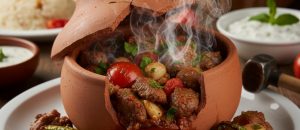
Testi Kebabı: Ultimate Guide to Famous Turkish Street Food
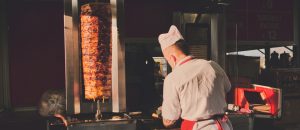
Döner Kebab: Ultimate Guide to Famous Turkish Street Food
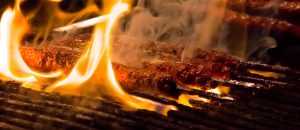
Adana Kebab: A Ultimate Guide to Turkish Culinary Heritage
FAQ: Frequently Asked Questions about Shish Kebab
What is Shish Kebab?
Shish Kebab is a traditional Turkish dish consisting of cubes of marinated meat (typically lamb, beef, or chicken) and often vegetables, threaded onto a skewer (Shish) and grilled over an open flame or charcoal.
What kind of meat is typically used for Shish Kebab?
The most traditional meat for Shish Kebab is lamb, particularly tender cuts like leg or shoulder. However, beef (especially tenderloin) and chicken breast are also very popular choices.
What is the ideal marinade for Shish Kebab?
A typical marinade for lamb or beef Shish Kebab includes olive oil, onion juice, garlic, yogurt, tomato paste, and various spices such as black pepper, red pepper flakes, thyme, and cumin. Chicken marinades are usually lighter, often focusing on olive oil, lemon juice, garlic, and herbs.
Are vegetables always included in Shish Kebab?
While meat-only Shish Kebab is common, it’s also very popular to intersperse vegetables like bell peppers (green, red, yellow), cherry tomatoes, onions, and eggplant slices between the meat cubes on the skewer.
What is the difference between Shish Kebab and Adana/Urfa Kebab?
Shish Kebab uses cubed or chunked meat, while Adana and Urfa Kebabs are made from hand-minced meat pressed onto flat skewers. Shish Kebab generally has a milder spice profile than Adana Kebab, which is notably spicy.
How is Shish Kebab typically served?
Shish Kebab is usually served hot off the grill, accompanied by thin lavaş bread, rice (pilav), fresh onion salad with sumac, grilled tomatoes and peppers, and sometimes yogurt or ezme.
What is the historical origin of Shish Kebab?
Shish Kebab has ancient roots, dating back to nomadic tribes in Central Asia and Anatolia who cooked meat on swords or skewers over open fires. It represents one of the oldest and most fundamental forms of kebab.
Can I make Shish Kebab on a home grill or in an oven?
Yes, Shish Kebab is very versatile and can be made successfully on various home grills (charcoal, gas, electric) or even baked in a hot oven (though grilling provides the best smoky flavor). The key is proper marination and avoiding overcooking.
Are there regional variations of Shish Kebab in Turkey?
Absolutely. While the core concept remains, regions often have unique marinades, spice blends, and meat choices. For example, some regions might favor specific herbs or a particular type of vegetable pairing.
What are the keys to a tender and juicy Shish Kebab?
The keys include using high-quality, tender cuts of meat, marinating for an adequate period (at least 4-6 hours, preferably overnight), avoiding over-crowding the skewers, and cooking over a consistent, hot flame without over-drying the meat.