



From the bustling streets of Istanbul to the vibrant avenues of Berlin, Döner Kebab stands as a true culinary icon, a testament to Turkish ingenuity that has captivated palates across the globe. More than just a dish, Döner is a vertical spit revolution, an evolving masterpiece of meat, fire, and flavor with a rich, complex history and a fascinating array of regional and international variations.
This comprehensive digital atlas serves as meticulously charting Döner Kebab’s journey from its debated origins in the Ottoman Empire to its current status as a global street food phenomenon. For the food historian, the culinary tourist, and the ambitious home chef alike, we will delve into its diverse forms, explore its socio-economic impacts, and unravel the cultural narratives that have shaped this spinning delight.
Join us as we explore the past, present, and future of Döner Kebab, understanding why this humble dish has become a cherished legacy on the skewer.

Döner Kebab:
A Culinary Icon Spinning Through History
Döner Kebab is not just another dish; it is a global culinary phenomenon that has transcended its origins to become a staple in countless countries. Its mesmerizing vertical spit, thinly sliced layers of flavorful meat, and versatile serving options have cemented its status as one of the world’s most recognized and beloved street foods.
This section introduces the profound impact of Döner, setting the stage for a deep dive into its rich history and diverse forms.
More Than a Meal: The Global Phenomenon of Döner
Döner Kebab has evolved beyond a simple meal to become a cultural touchstone and a symbol of culinary globalization.
- Ubiquitous Presence: From its birth in Anatolia, Döner has spread across continents, becoming a fast-food favorite in Europe, North America, and beyond. It is particularly iconic in Germany, where it has achieved a status akin to a national dish.
- Cultural Exchange: The Döner’s journey is deeply intertwined with migration, economic shifts, and cultural exchange. It tells a story of adaptation, innovation, and the universal appeal of delicious, accessible food.
- Culinary Versatility: Döner’s adaptability, served in various forms like wraps (dürüm), sandwiches (pide), or on a plate, allows it to cater to diverse palates and occasions, contributing to its widespread popularity.
- Economic Impact: The Döner industry supports countless businesses, from local kebab shops to meat suppliers, highlighting its significant economic footprint globally.
Our Digital Atlas: Navigating the World of Döner
This Digital Atlas aims to be the definitive digital resource for understanding Döner Kebab, offering a comprehensive and authoritative perspective.
- Historical Deep Dive: We will meticulously trace the origins and evolution of Döner, separating myth from historical fact.
- Variety and Anatomy: An in-depth exploration of the different types of Döner (lamb, beef, chicken) and how they are prepared.
- Regional and Global Impact: We will highlight its unique interpretations in various Turkish cities and its remarkable adaptation and popularity in countries like Germany.
- Serving Traditions: An examination of traditional and modern ways Döner is served, including breads, sauces, and accompaniments.
- Future Trends: A look into the ongoing evolution, challenges, and sustainability of Döner Kebab in the 21st century.
- Beyond Recipes: This article goes beyond simple recipes, positioning Döner within its historical, cultural, and geographical contexts to provide a holistic understanding.
The Roots of Revolution:
Döner Kebab's Origins in the Ottoman Empire
The invention of the Döner Kebab, with its revolutionary vertical roasting method, is a pivotal moment in the history of Turkish cuisine, transforming traditional kebab making and paving the way for a global culinary phenomenon. Its roots are firmly embedded in the rich gastronomic traditions of the Ottoman Empire, albeit with a path of innovation that refined ancient cooking practices.

Döner Kebab’s True Inventor: Unraveling the Historical Debate
Horizontal Roasting to Vertical Innovation: Early Kebab Forms
Before the vertical spit, meat was typically roasted horizontally over fire. The transition to vertical roasting was a significant culinary innovation.
- Ancient Roots: Kebab, in its most basic form of meat grilled on a spit or skewer, has ancient origins, dating back to nomadic tribes cooking meat over open fires horizontally. Early forms often involved chunks of lamb or mutton.
- Ottoman Kebab Traditions: Ottoman cuisine featured numerous kebab varieties, many of which were roasted horizontally. However, the challenge with horizontal roasting, especially for large cuts of meat, was uneven cooking and difficulty in carving thin, consistent slices.
The Vertical Leap: The genius of the vertical spit was in allowing the meat to self-baste as it cooked, with fats and juices dripping down through the layers, keeping the entire mass succulent. It also enabled efficient, continuous carving of uniform, crispy outer slices, transforming the serving experience. While the exact inventor is debated, the late 18th to mid-19th century in the Ottoman Empire is generally credited with this innovation.
Bursa's Contribution: The Birth of Iskender Kebab (and Early Vertical Grilling)
Bursa, a historically significant city in Turkey, is often credited with one of the earliest and most influential forms of vertical kebab, famously associated with Iskender Kebab.
- İskender Efendi’s Innovation: Legend attributes the invention of the vertical Döner Kebab as we largely know it today to İskender Efendi, a chef from Bursa, in the mid-19th century. He is said to have conceived the idea of cooking the meat on a vertical spit, allowing it to cook evenly and be sliced thinly as needed.
- Iskender Kebab: The dish named after him, Iskender Kebabı, combines thin slices of vertically roasted lamb (or a mix of lamb and beef) Döner, served over pieces of pita bread, generously topped with hot tomato sauce and melted butter, and accompanied by yogurt. This iconic dish cemented the popularity and potential of the vertical spit.
Pioneering Vertical Grilling: While other forms of horizontal spit roasting (like Cağ Kebabı from Erzurum) existed, İskender Efendi’s innovation in Bursa is widely recognized as a pivotal moment that popularized the vertical Döner Kebab cooking method, setting the stage for its subsequent evolution and global spread. This form of Döner directly influenced what would later become the widespread Döner Kebab consumed worldwide.
Anatomy of the Spit:
Understanding Döner Kebab Varieties by Meat and Preparation
The Döner Kebab, while appearing uniform, actually encompasses a diverse range of varieties, primarily distinguished by the type of meat used and the specific preparation methods employed for the vertical spit. From traditional lamb to modern chicken variations, each type offers a unique flavor profile and textural experience, reflecting regional preferences and evolving culinary tastes. Understanding the “anatomy of the spit” is key to appreciating the depth of Döner Kebab’s versatility.
Lamb Döner: The Traditional Choice and Its Regional Nuances
Lamb Döner represents the most traditional and historically significant form of Döner Kebab, cherished for its rich flavor and succulent texture.
- Meat Selection: Traditionally, young lamb meat is used, specifically from the leg, shoulder, and sometimes rib sections. A crucial component is the inclusion of lamb tail fat (kuyruk yağı), which is layered with the meat. This fat renders during cooking, basting the meat and keeping it moist and flavorful.
- Preparation: The meat is typically seasoned with salt, black pepper, and sometimes a hint of dried oregano or other regional spices. It is then carefully layered onto the vertical spit, often interspersed with thin slices of lamb fat or whole tail fat pieces to enhance juiciness and flavor. The skill in layering is paramount to prevent the meat from drying out.
- Flavor Profile: Lamb Döner is known for its distinctly rich, slightly gamey, and deeply savory flavor. When properly cooked, it yields tender, juicy slices with deliciously crispy edges.
- Regional Nuances:
- Bursa (İskender Kebabı): This iconic dish uses very thin slices of lamb Döner, served over pita bread with tomato sauce, melted butter, and yogurt. The Döner itself is often made with finely processed lamb meat to achieve a specific tenderness.
- Other Regions: In other parts of Turkey, lamb Döner might be simpler, relying purely on the quality of the lamb and the cooking skill.
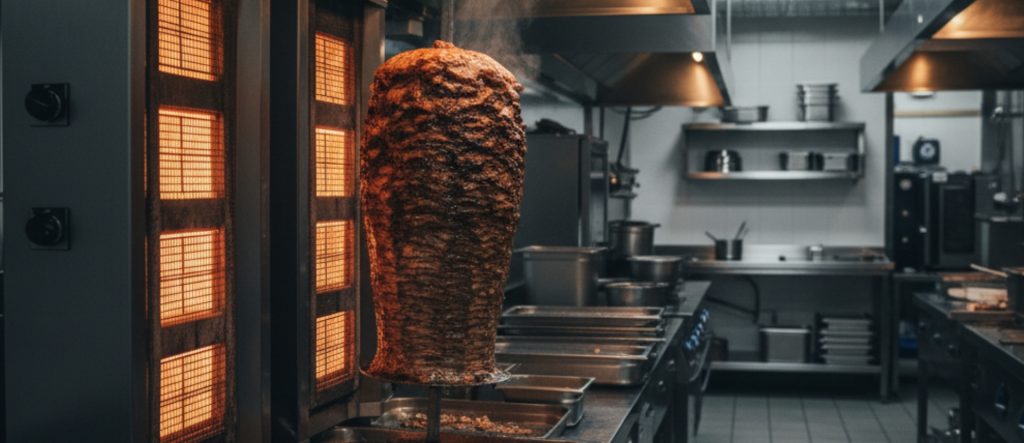
The Science of Vertical Roasting: Meat, Heat, and Flavor Dynamics
Beef and Chicken Döner: Modern Adaptations and Popularity
While lamb is traditional, beef and chicken Döner have emerged as popular modern adaptations, catering to broader tastes and dietary preferences.
- Beef Döner:
- Preparation: Beef Döner often uses cuts like the leg or shoulder, typically mixed with a certain percentage of lamb or beef fat to maintain juiciness. The meat is usually marinated with spices such as salt, black pepper, cumin, paprika, and sometimes onion juice, before being stacked onto the spit.
- Flavor Profile: Beef Döner has a heartier, less gamey flavor compared to lamb. It can be slightly leaner, but when prepared well, it’s still tender and flavorful.
- Popularity: It’s very popular in Turkey and internationally, often as an alternative for those who prefer beef over lamb.
- Chicken Döner:
- Preparation: Chicken Döner is typically made from boneless chicken thighs or breast, often marinated in a blend of yogurt, oil, lemon juice, and various spices (paprika, oregano, garlic, thyme). It is then layered onto the vertical spit.
- Flavor Profile: Chicken Döner is lighter and milder in flavor than lamb or beef Döner. It’s often very tender and moist due to the marinade.
- Popularity: It’s a highly popular choice, particularly among health-conscious consumers or those who prefer poultry. It has gained significant traction in Europe and beyond, often served with a wider variety of sauces.
Specialized Döner Forms: Çağ Kebabı and Adana Döner
Beyond the standard vertical Döner, there are specialized, regionally distinctive forms that offer unique takes on the rotating roasted meat concept.
- Çağ Kebabı (Erzurum):
- Unique Feature: This is a horizontal Döner. Originating from Erzurum, it uses lamb meat (often from the leg and shoulder) marinated with onions, salt, and black pepper. The meat is pressed onto a large horizontal spit and cooked over a wood fire.
- Preparation: Thin slices are carved off the rotating horizontal spit onto smaller skewers (çağ) and then briefly grilled again over charcoal before serving.
- Flavor Profile: Çağ Kebabı has a very tender, slightly gamey, and smoky flavor, distinct from vertical Döner.
- Serving: Typically served with thin lavaş bread, sliced tomatoes, and onions.
- Adana Döner (Adana-Style Döner):
- Unique Feature: While Adana is famous for its Adana Kebabı (minced meat on a flat skewer), it also has its own style of Döner. Adana Döner often implies a specific meat blend and seasoning profile, reflecting the city’s preference for rich, spicy flavors.
- Preparation: This Döner is usually made with a mixture of lamb and beef, often heavily seasoned with red pul biber (paprika flakes), reminiscent of Adana Kebabı’s spice profile. The layering might incorporate more generous amounts of lamb tail fat.
Flavor Profile: Adana Döner tends to be richer and spicier than standard Döner, carrying a bolder flavor that aligns with Adana’s culinary identity.
The City at Your Feet
Conrad Istanbul Bosphorus: Your Terrace to an Unforgettable Skyline
After exploring the historic streets below, rise above it all to a sanctuary of contemporary luxury.
From our sweeping terraces, watch the continents converge and the city’s ancient silhouette light up the night sky. At the Conrad, the most breathtaking view of Istanbul is the one from your room.

The Döner Kebab in Turkey:
Regional Flavors and Culinary Identity
Within Turkey, Döner Kebab is not a monolithic dish; it displays fascinating regional variations that reflect local culinary traditions, available ingredients, and historical influences. These regional differences highlight the diverse gastronomic landscape of Anatolia and offer a deeper appreciation for the Döner’s versatility and cultural integration
Bursa and Iskender Kebab: The Reign of Butter and Tomato Sauce
Bursa holds a special place in the history of Döner Kebab, being the birthplace of Iskender Kebabı, an iconic dish that elevated the vertically roasted meat to a culinary art form.
- The Iskender Efendi Legacy: As mentioned earlier, İskender Efendi of Bursa is widely credited with perfecting the vertical Döner grill in the mid-19th century. His family’s restaurant, “İskender,” continues to be a pilgrimage site for Döner enthusiasts.
- Composition: Iskender Kebabı features very thin slices of lamb or mixed lamb/beef Döner, laid over pieces of pideli ekmek (a special flatbread). What makes it unique is the generous topping of hot, rich tomato sauce and sizzling melted butter poured over it just before serving. A dollop of thick, creamy yogurt is typically served on the side.
- Flavor Profile: The dish offers a harmonious blend of savory meat, tangy tomato, creamy yogurt, and the luxurious richness of butter. The Döner itself is often made to be particularly tender and juicy.
Cultural Significance: Iskender Kebabı is more than a meal; it’s a culinary institution in Bursa and across Turkey, symbolizing a sophisticated approach to Döner service.
Erzurum and Çağ Kebabı: Horizontal Spit Perfection
From Erzurum, a city in Eastern Anatolia, comes Çağ Kebabı, a unique form of Döner that defies the vertical norm, opting for a horizontal spit.
- Horizontal Roasting: Unlike most Döner, Çağ Kebabı is cooked on a horizontal rotisserie over a wood fire. This method imparts a distinct smoky flavor and a slightly different texture to the lamb meat.
- Preparation: The meat, typically lamb leg and shoulder, is marinated with a mixture of onions, salt, and black pepper for an extended period. It is then pressed onto a large, horizontal iron spit.
- Serving Style: As the meat cooks, thin slices are carved off the rotating spit onto smaller, individual skewers (called “çağ”). These smaller skewers are then briefly finished over hot coals to achieve a perfect char and crispness before being served with thin lavaş bread, sliced tomatoes, and onions.
Flavor Profile: Çağ Kebabı is known for its incredible tenderness, rich lamb flavor, and intense smokiness from the wood fire. It’s often less fatty than vertical Döner, offering a leaner yet deeply satisfying experience.
Ankara, İstanbul and Other Turkish Döner Styles
Beyond these specific regional specialties, other major Turkish cities have developed their own interpretations and preferences for Döner Kebab.
- İstanbul Döner: As a bustling metropolis, Istanbul offers a vast array of Döner Kebab options. Istanbul Döner typically uses a mix of beef and lamb (or sometimes all beef) with layers of fat, seasoned simply. It’s often served in half-pide bread (yarım ekmek arası döner), dürüm (wrap), or on a plate with rice or fries. The emphasis is on juicy, flavorful meat and speed of service.
- Ankara Döner: Ankara’s Döner, similar to Istanbul’s, generally features a beef-dominant or mixed meat Döner. It’s known for its consistent quality and widespread availability, catering to the city’s large population. While less “famous” for a specific style like Bursa or Erzurum, Ankara prides itself on solid, delicious Döner.
General Characteristics: Across Turkey, regardless of the city, Turkish Döner generally relies on well-seasoned, quality meat, cooked to perfection on a vertical spit, and served with minimal fuss, emphasizing the meat’s flavor. The bread, whether pide, lavaş, or half-pide, is a crucial component, as are fresh tomatoes, onions, and often green peppers.
Döner Kebab Goes Global:
From Gastarbeiter to German Street Food King
The story of Döner Kebab’s global expansion is one of culinary migration, cultural adaptation, and astonishing popular success, fundamentally shaped by the movements of people. What began as a traditional Turkish dish has, in many parts of the world, transformed into a local fast-food staple, particularly achieving iconic status in Germany. This journey from Anatolian streets to international fame highlights Döner’s universal appeal and its capacity to evolve while maintaining its core essence.
Sumac Onion Salad, Ezme (Spicy Paste), and Seasonal Greens
These accompaniments balance the main flavor and refresh the palate.
- Sumac Onion Salad (Sumaklı Soğan Salatası): The most classic accompaniment. Prepared with thinly sliced red onions (piyazlık), plenty of fresh parsley, and sumac. Sumac removes the sharp edge of the onions and is usually consumed wrapped inside lavaş with the kebab.
- Gavurdağı Salad or Acılı Ezme (Spicy Paste): Gavurdağı salad is prepared by finely chopping fresh vegetables and mixing them with pomegranate molasses and olive oil. Acılı ezme, which is tomato and pepper paste-based, prepared with garlic, parsley, and spices, is also essential.
- Seasonal Greens: Fresh greens like arugula (roka), parsley, and cress (tere), usually served with lemon and salt, aid digestion and leave a refreshing taste.
These dishes demonstrate that Turkish cuisine possesses a rich salad and meze culture.
German Döner: A Unique Evolution and Cultural Impact
Nowhere has Döner Kebab achieved such an iconic status outside of Turkey as it has in Germany, where it has undergone a unique evolution and become deeply embedded in the national street food culture.
- Ubiquitous Presence: The Döner is now omnipresent across Germany, arguably more popular than traditional German fast food like Currywurst in many cities. Berlin alone is said to have thousands of Döner shops.
- Distinct Style: German Döner developed its own distinct style:
- The Bread: It’s almost exclusively served in a large, quartered, crusty Turkish flatbread (pide) that is cut open and stuffed. The Döner sandwich is the most popular format.
- The Salad: Generous amounts of fresh salad (lettuce, tomato, onion, red cabbage) are standard, often more abundant than in Turkey.
- The Sauces: The proliferation of diverse sauces – herb, garlic, spicy, yogurt-based – is a hallmark of German Döner, catering to a wide range of tastes.
- Meat Composition: While lamb and beef mixes are common, chicken Döner is also extremely popular.
- Cultural Icon: German Döner is more than just food; it’s a cultural phenomenon, a symbol of successful integration, and a go-to meal for students, workers, and party-goers. It has even entered German colloquial language.
Economic Powerhouse: The Döner industry in Germany is a massive economic force, supporting numerous businesses and contributing significantly to the street food market.
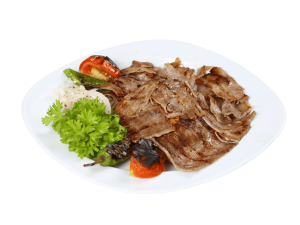
Orıgınal Turkısh Döner
The foundational Döner, traditionally made from marinated lamb or beef cooked on a vertical spit, is characterized by its rich meat flavor. Served simply on a plate with rice or wrapped in thin lavaş, it emphasizes the pure taste of the meat, often accompanied by basic onions and tomatoes.
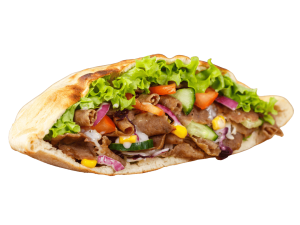
German Style Döner
A culinary icon born from Turkish migration, German Döner features a generous mix of fresh salads, diverse sauces (garlic, herb, spicy), and is often served in a large, quartered flatbread. This adaptation caters to varied tastes, making it a beloved street food staple across Germany.
Global Spread: Döner's Presence Across Continents
Building on its success in Europe, Döner Kebab has continued its global journey, establishing a significant presence in numerous countries across various continents.
- North America: In cities with Turkish or Middle Eastern communities, Döner Kebab (often marketed as “gyro” or “shawarma” in some forms, though distinct) can be found. It is growing in popularity as a gourmet street food.
- Australia & New Zealand: Döner Kebab, often referred to as “kebabs,” is a very popular late-night and casual dining option, with many shops offering diverse meat and sauce options.
- Asia: In some parts of Asia, especially in countries with historical ties or significant tourism, Döner Kebab shops are becoming increasingly common.
- Adaptation Continues: As Döner spreads, it continues to adapt to local tastes, ingredient availability, and cultural preferences, demonstrating its remarkable versatility and universal appeal. This ongoing global spread ensures Döner Kebab remains a dynamic and evolving culinary force.
Your Istanbul Journey, Perfected

Garenta: Discover More of Turkey


ON Bank: Finance Your Legacy

The Art of Serving Döner:
Breads, Sauces, and Accompaniments
The Döner Kebab experience is not solely about the expertly roasted meat; it is significantly defined by the way it is served, encompassing a crucial interplay of breads, a spectrum of sauces, and fresh accompaniments. This “art of serving” is what transforms a simple meat dish into a complete and satisfying meal, varying subtly across different regions and cultures.
The Bread Debate: Pide, Lavaş, or Durum?
The choice of bread is a fundamental element of the Döner Kebab experience, greatly influencing its texture and how it’s consumed.
- Pide (The Sandwich):
- Description: Often a thick, slightly crispy, round Turkish flatbread, typically quartered or cut in half, then split open to form a pocket.
- Usage: This is the most common way Döner is served in Germany and increasingly in parts of Turkey, creating a substantial and hearty sandwich. It’s ideal for holding a generous amount of meat and fillings.
- Lavaş (The Wrap/Dürüm):
- Description: A very thin, soft, unleavened flatbread.
- Usage: Dürüm (wrap) Döner is incredibly popular, especially as a portable and easy-to-eat option. The lavaş is typically warmed, filled with meat and accompaniments, then tightly rolled. This allows the flavors to meld intimately.
- Plate with Rice/Fries:
- Description: Döner served on a plate, accompanied by a side of Turkish rice (pilav) or French fries.
- Usage: This is a more traditional Turkish way to enjoy Döner, allowing the diner to appreciate the meat as the main focus, often with a simple side salad.
Other Breads: In some contexts, particularly in Europe, Döner might also be served in ciabatta or baguette-style breads, showcasing its adaptability.
Beyond Just Meat: Salads and Sauces
The fresh salads and diverse sauces are indispensable components of a Döner Kebab, offering crucial contrast and enhancing the overall flavor profile.
- Salads:
- Traditional Turkish: In Turkey, Döner is typically accompanied by simple, fresh salads like thinly sliced onions with sumac, fresh tomatoes, and sometimes green peppers or parsley. The emphasis is on complementing the meat.
- European/German: In Europe, especially Germany, the salad selection is often more extensive, including lettuce, red cabbage, white cabbage, tomatoes, and cucumbers. These are often served in generous quantities, adding freshness and crunch.
- Sauces:
- Traditional Turkish: Authentic Turkish Döner often relies on the meat’s natural juices and perhaps a touch of simple tomato sauce (especially with Iskender). Complex, creamy sauces are less traditional in Turkey.
- European/German: Sauces are a defining feature of European Döner. Popular options include:
- Garlic Sauce (Knoblauchsauce): A yogurt or mayonnaise-based sauce with garlic.
- Herb Sauce (Kräutersauce): A yogurt or mayonnaise-based sauce with various fresh herbs.
- Spicy Sauce (Scharfe Sauce): A chili-based sauce, ranging from mild to very hot.
Yogurt Sauce: A simple, refreshing Turkish yogurt-based sauce.
The choice of sauce allows for significant personalization of the Döner experience.
The Döner Experience: Street Food Culture
The Döner Kebab is deeply embedded in street food culture, offering a fast, affordable, and satisfying meal experience.
- Accessibility: Döner shops are typically numerous and conveniently located, making it an ideal choice for a quick lunch, a late-night snack, or a meal on the go.
- Customization: The ability to customize fillings (salad, sauce, level of spice) makes the Döner experience highly personal and appealing.
Social Aspect: In many cultures, grabbing a Döner is a social activity, a meeting point, or a post-event ritual, especially in urban environments. It fosters a sense of community and shared culinary enjoyment.
The Future of Döner:
Tradition, Innovation, and Sustainability
As Döner Kebab continues its global journey, it faces an evolving landscape of culinary trends, consumer demands, and ethical considerations. Its future lies in successfully navigating the tension between preserving its cherished traditions and embracing necessary innovations, all while prioritizing sustainability. This section explores the challenges and opportunities that will shape Döner Kebab in the years to come, ensuring its continued relevance and appeal.
Preserving Authenticity in a Globalized Market
In a globalized world where culinary ideas travel rapidly, preserving the authenticity of Döner Kebab is a critical, ongoing challenge.
- Defining Authenticity: With so many regional and international variations, establishing a universally accepted “authentic” Döner can be complex. However, the core principles of quality meat, proper layering, and vertical spit roasting remain vital.
- Combating Commercialization: The immense popularity of Döner has led to mass production and the use of cheaper, lower-quality ingredients or highly processed meat cones. This commercialization threatens to dilute the reputation of authentic Döner.
- Geographical Indications (GIs): While not yet widely applied to Döner globally (unlike Adana Kebabı), the concept of GI could play a larger role in protecting specific regional Döner styles, helping to educate consumers and prevent mislabeling.
Consumer Education: Raising awareness among consumers about what constitutes a high-quality, authentic Döner Kebab encourages demand for traditional methods and ingredients, supporting responsible producers.
Health, Ethics, and New Culinary Trends
The future of Döner Kebab will also be shaped by growing consumer awareness regarding health, ethical sourcing, and emerging culinary trends.
- Health Consciousness: As consumers become more health-conscious, there’s increasing demand for leaner Döner options, fresh salads, and healthier sauce alternatives. Döner shops may need to adapt by offering more transparent ingredient information and healthier preparations.
- Ethical Sourcing: Concerns about animal welfare and sustainable meat production are on the rise. Döner producers might face pressure to source ethically raised, high-quality meat, potentially leading to a premium market for “ethical Döner.”
- Vegetarian and Vegan Döner: Reflecting the global shift towards plant-based diets, vegetarian and vegan Döner options (using seitan, tofu, or mushroom-based alternatives) are gaining popularity. While not traditional, these innovations ensure Döner’s relevance to a wider consumer base and offer sustainable choices.
Gourmet Döner: There’s an emerging trend for “gourmet Döner,” where chefs use higher-quality meats, artisanal breads, and innovative flavor combinations, elevating the street food into a fine dining experience.
Döner Kebab – A Legacy on the Skewer
Our journey through the Döner Kebab has revealed a culinary phenomenon far richer and more complex than a simple street food. From its revolutionary origins on the vertical spit in the Ottoman Empire and its seminal moment with Iskender Kebab in Bursa, to its fascinating regional interpretations across Turkey and its meteoric rise as a global street food icon, particularly in Germany, Döner Kebab embodies a dynamic legacy.
It tells a story of human migration, cultural adaptation, culinary innovation, and the enduring power of delicious food to bring people together. As it navigates the future challenges of authenticity, health, and sustainability, Döner Kebab continues to spin, promising to remain a cherished and evolving part of global gastronomy.
This digital atlas reaffirms its status not just as a meal, but as a living piece of culinary history—a truly timeless legacy on the skewer.
Explore the Diverse World of Turkish Kebabs
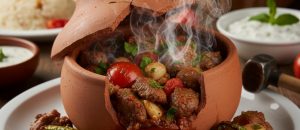
Testi Kebabı: Ultimate Guide to Famous Turkish Street Food
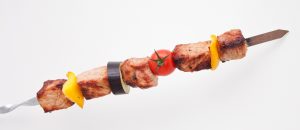
Shish Kebab: Ultimate Guide to Anatolia’s Skewered Art
Adana Kebab: A Ultimate Guide to Turkish Culinary Heritage
FAQ: Frequently Asked Questions about Döner Kebab
What is Döner Kebab?
Döner Kebab is a Turkish dish made of meat cooked on a vertical rotisserie, traditionally lamb, or a mixture of lamb and beef, or sometimes chicken. It is thinly sliced off the rotating spit and commonly served in a flatbread (pide or lavaş) with various accompaniments.
What kind of meat is traditionally used for Döner Kebab?
Traditionally, Döner Kebab is made from lamb. However, variations using a mixture of lamb and beef, or solely chicken, have become very popular, especially outside of Turkey.
Who invented the vertical Döner Kebab spit?
While the concept of roasting meat on a spit is ancient, the invention of the vertical Döner Kebab spit as we know it today is often attributed to İskender Efendi in Bursa, Turkey, in the mid-19th century. This innovation allowed for more even cooking and easier slicing.
Is Döner Kebab the same as Gyro or Shawarma?
While Döner Kebab, Gyro (Greek), and Shawarma (Middle Eastern) all involve meat cooked on a vertical rotisserie and thinly sliced, they are distinct dishes. They differ in meat seasoning, cooking techniques, bread types, and accompanying sauces and salads, reflecting their respective culinary traditions.
How is Döner Kebab typically served?
Döner Kebab can be served in several ways: as a “Dürüm” (wrap) in thin lavaş bread, as a “Sandwich” in a thicker pita bread (pide), or as a “Plate” serving with rice or fries and a side salad.
What sauces and salads go with Döner Kebab?
In Turkey, Döner is often served with simple fresh salads (onions with sumac, tomatoes, parsley) and sometimes a light tomato sauce. In Europe, particularly Germany, a wider variety of sauces like garlic, herb, and spicy yogurt-based sauces, along with more diverse salads, are common.
What is Çağ Kebabı and how is it different from Döner?
Çağ Kebabı, from Erzurum, is a unique form of Döner that is cooked on a horizontal spit over a wood fire, rather than a vertical one. It is known for its distinct smoky lamb flavor and is served on small individual skewers that are briefly re-grilled.
Why is Döner Kebab so popular in Germany?
Döner Kebab gained immense popularity in Germany due to Turkish “Gastarbeiter” (guest workers) who brought their culinary traditions in the 1960s. It adapted to local tastes (e.g., pita bread, diverse sauces) and became an affordable, satisfying street food, deeply integrated into German culture.
Can I make Döner Kebab at home?
Making Döner Kebab at home can be challenging due to the need for a vertical rotisserie. However, there are simplified recipes and techniques for preparing the meat cone and cooking it in an oven or on a horizontal spit (like a conventional grill) to achieve a delicious homemade version.
What are the challenges facing the authenticity of Döner Kebab today?
The main challenges include mass production leading to lower-quality ingredients, highly processed meat cones, and a lack of universal standards for “authentic” Döner. There’s a growing need for consumer education and potentially wider application of geographical indications to preserve its traditional heritage.