



Adana Kebab is not just a dish of Turkish cuisine, but a masterpiece where deep cultural heritage, rich history, and geography are blended with flavor. This ultimate guide focuses on every aspect of this unique flavor, from the kebab’s origins to its contemporary importance, from the intricacies of zırh mincing to its skillful grilling over charcoal. Whether you want to shed light on the kebab’s past as a food historian, embark on a flavor hunt in the streets of Adana as a culinary tourist, or recreate this authentic taste in your own kitchen as an ambitious home chef, this “Digital Guide” will share all the secrets of Adana Kebabı with you.
This article will not only present recipes but will also solidify kebabs.com.tr’s vision of topical authority by positioning the dish within the context of history, culture, and geography.

What is Adana Kebabı?
An Introduction to This Iconic Turkish Dish
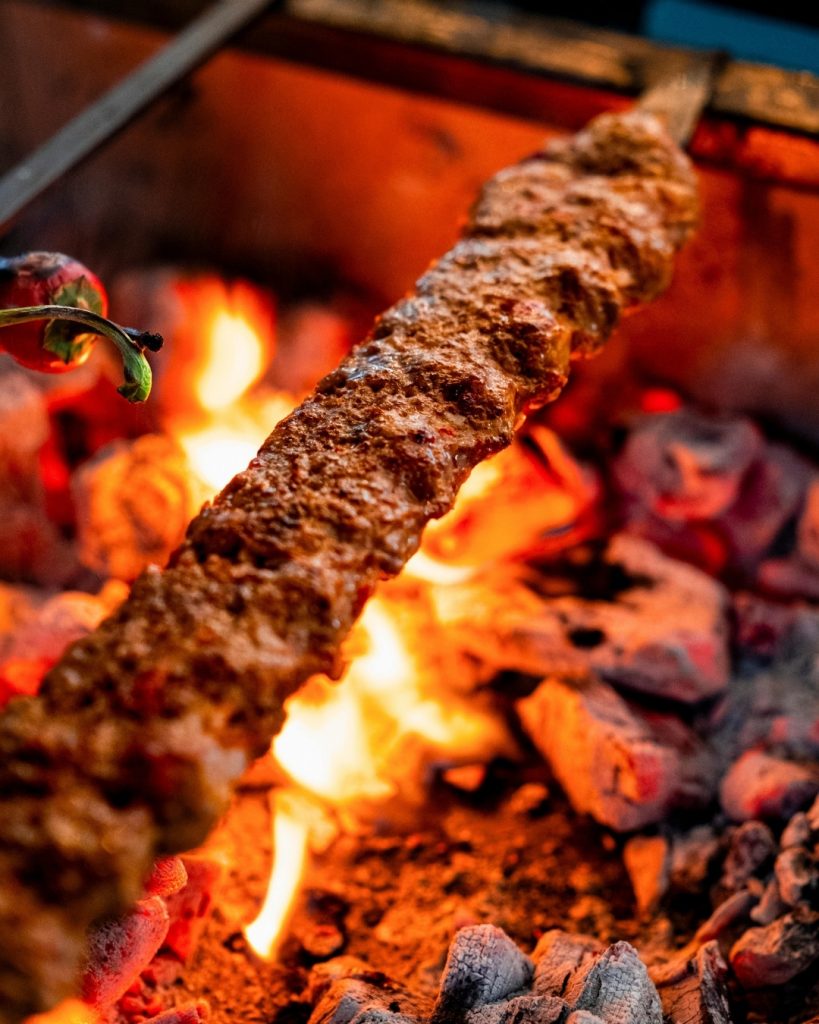
Adana Kebabı is a unique type of kebab, an eye-catching jewel of Turkish cuisine, spreading from Adana—the heart of the flavor geography—to the world, known for its distinct features. Much more than a simple grilled meat dish, Adana Kebabı is an art that leaves an unforgettable taste on the palate, created by carefully selected lamb meat minced by hand with a cleaver called “zırh,” blended with special spices, and expertly cooked over oak charcoal fire.
This kebab distinguishes itself from other kebabs not only by the flavor of the meat but also by the traditional preparation methods and presentation style. In the world of gastronomy, it is one of the rare flavors named after a city and acquiring a geographical identity. The foundation of its special nature lies in both its historical accumulation and the mastery passed down from generation to generation. This kebab is a flavor icon that culinary tourists primarily visit Adana for, that ambitious home chefs seek the authentic recipe for, and that food historians research the origins of.
A Geographically Indicated Flavor: The Identity of Adana Kebabı
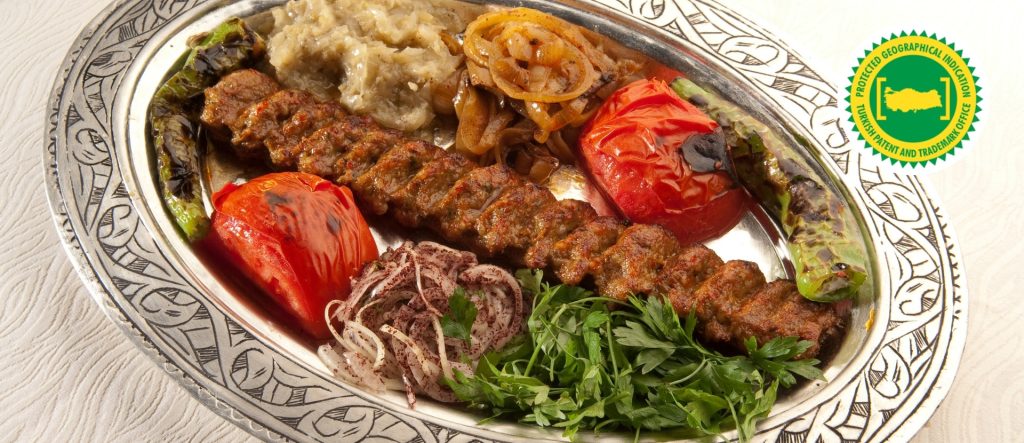
One of the most important features distinguishing Adana Kebabı from the ordinary is its geographical indication, registered by the Turkish Patent and Trademark Office in 2005. This registration officially safeguards that the production of Adana Kebabı must be done within a specific geographical region (Adana) and according to specific traditional methods.
The geographical indication acts as a seal guaranteeing the originality and quality of Adana Kebabı. Thus, “real Adana Kebabı” means only the kebab produced in Adana and possessing the registered characteristics. These characteristics include details such as the type of meat used (young male lamb), the mincing technique (zırh mincing), the spice ratio (only chili flakes/pul biber and salt), and the skewering and cooking methods (oak charcoal fire). To delve deeper into the contributions of geographical indication to gastronomy and the specific example of Adana Kebab, explore our dedicated article on this topic.
Geographical Indication and Gastronomy: The Adana Kebabı Example
This protection preserves Adana Kebabı’s cultural capital, as well as offering consumers a reliable and authentic experience. Therefore, when you eat an Adana Kebabı, you taste not only the flavor of the meat but also the spirit of a tradition and geography that has continued for centuries. Further detailed information about this designation can be accessed through the Turkish Culture Portal.
The Heart of the Kebab:
The Historical and Cultural Roots of Adana Kebabı
Adana Kebabı is more than just a dish; it is a reflection of a thousand-year-old civilization, nomadic lifestyles, agricultural culture, and societal habits.
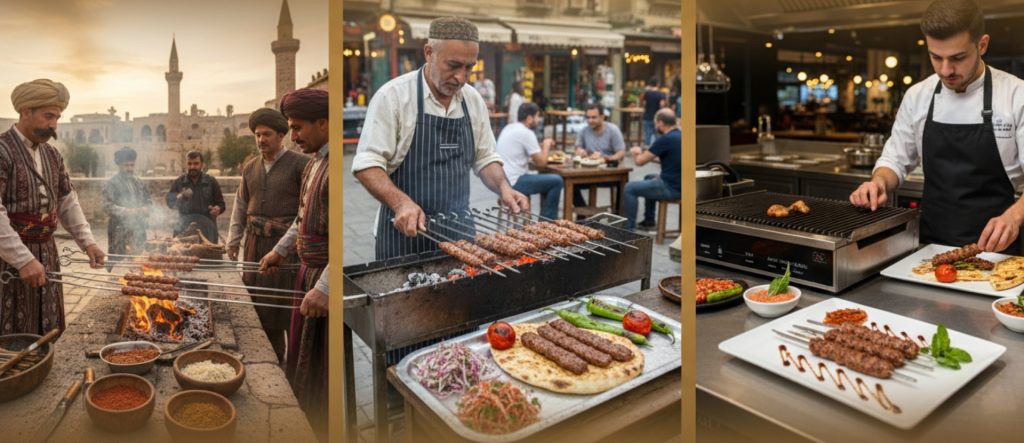
The kebab tradition, which took shape in the ancient lands of Mesopotamia and Anatolia, has acquired a unique identity, especially in the Southeastern Anatolia Region. The roots of Adana Kebabı are based on the practice of cooking meat over fire by communities subsisting on hunting and animal husbandry. However, the process that carried it to its current form is closely linked both to the evolution of local culinary culture and the social and economic conditions of the period. To explore the evolution of this unique heritage from the Ottoman era to the present day, read our comprehensive article on Kebab Heritage from Ottoman Empire to Present.
The emergence of the kebab was fueled by factors such as the need to preserve and easily consume meat without spoilage, the richness of the animal stock in the region, and the prevalence of the ocakbaşı (fireside/grill side) tradition. This section will focus on the deep historical journey and cultural context of Adana Kebabı.
Kebab Heritage from Ottoman Empire to Present: The Evolution of Adana Kebab
From Legends to Facts: The Birth of Adana Kebabı
It is difficult to give a definitive date for exactly when and how Adana Kebabı emerged, as the kebab tradition dates back to very ancient times in Anatolia. However, the current form of Adana Kebabı is thought to have taken shape around the 19th century.The development of animal husbandry in the region, especially the abundance of young lamb meat and the widespread use of spices, formed the foundation of the kebab. The kebab, which first emerged as cutting meat into small pieces, skewering them, and cooking them over fire, later differentiated over time with techniques specific to the region.
Mincing the meat into ground meat using large knives called “zırh,” and adding tail fat and plenty of chili flakes (pul biber) to the mince, constituted the distinguishing features of Adana Kebabı. It is known that these traditional methods have been passed down from master to apprentice, especially in the historical bazaars of Adana, until today. The regional understanding of flavor and the culture of hospitality also played an important role in the historical evolution of the kebab; the kebab became part of a table tradition that not only satisfied hunger but also strengthened friendships and livened up conversations.
The Kebab Master Tradition: Art Passed Down Through Generations
Adana Kebabı is not just a dish, but the product of a mastery and craftsmanship passed down through generations. Being a “kebapçı” (kebab master) in Adana requires much more than just knowing how to cook meat; it is a way of life, an honor, and a deep accumulation of knowledge. Every stage in the making of the kebab requires mastery: such as choosing the right meat, mincing with armor, using balanced spices, sticking the minced meat to the skewers in an ideal way and adjusting the temperature of the oak charcoal fire.
This knowledge is usually transmitted as an oral heritage, passing from father to son, or master to apprentice. Each kebab master has their own small secrets, cooking techniques, and presentation rituals. This traditional transmission ensures that beyond the geographical indication standards protecting Adana Kebabı, it takes on a unique character in the hands of each master. In this way, every kebab master in Adana contributes to keeping the kebab culture alive by preserving and developing this ancient flavor heritage.
Adana Kebab and Social Life
Adana Kebabı is an inseparable part of the daily life and social gatherings of the people of Adana. The kebab can be consumed at any hour of the day, from breakfast to dinner, and finds its place in many different contexts, from business meetings to family meals, from special celebrations to street food experiences. Especially the tradition of eating kebab after Friday prayer is an important element of Adana’s social fabric. Kebab houses (Kebapçılar) are not just places to eat, but also venues for social interaction, conversations, and cultural exchange.
Adana Kebabı, a symbol of hospitality, is one of the first flavor experiences offered to visitors of the city and is usually matched with unforgettable memories. Having such a deep societal and cultural connection elevates Adana Kebabı from being merely a culinary item to a vibrant part of Adana’s identity and cultural capital
The Components of Perfect Adana Kebabı: From Ingredients to Preparation
The unique flavor of Adana Kebabı is the result of not only a cooking technique but also the careful selection of the right ingredients blended with traditional methods. It is almost a work of art transformed in the hands of an alchemist; every single component plays a critical role in the kebab’s final taste, texture, and aroma. From the perspective of culinary science, the quality of the meat used, the fat ratio, and the freshness of the spices directly affect the perfection of the result.
For ambitious home chefs, this section explains which ingredients they should pay attention to in order to capture the authenticity of Adana Kebabı, while for food historians, it presents the cultural and gastronomic context of why these components are so important.
Zırh Mince: The Essential Element of Adana Kebabı
The cornerstone of Adana Kebabı and the most critical feature that sharply distinguishes it from other kebabs is the “zırh mince“. This should not be confused with standard ground meat processed in industrial machines. For genuine Adana Kebabı, the meat must be hand-minced using a special two-sided sharp cleaver called a “zırh” on a large wooden board, without breaking the cold chain. This method does not damage the fiber structure of the meat, retains its juices, and gives the mince a unique texture. To understand the scientific secrets behind this traditional technique and the molecular anatomy of the meat, explore our in-depth analysis.

The Anatomy of Zırh Kıyması: The Depths of Kebab Science
The meat used is generally sourced from the shoulder, rib, and back sections of a young male lamb, usually less than one year old. This meat should contain approximately 20-30% natural tail fat. Zırh mince preserves the character of the meat while also creating a surface area where it can fully integrate with the spices; this brings out the melt-in-your-mouth, intense flavor of Adana Kebabı. This traditional technique is not just a preparation method but also a symbol of the Adana kebab tradition and mastery.
The Dance of Spices: The Role of Pul Biber (Chili Flakes) and Salt
The second important factor contributing to the flavor of Adana Kebabı is the use of spices; however, this is not a complex mixture involving numerous spices.
 The spices used in authentic Adana Kebabı are extremely simple: just salt and high-quality, vibrant red chili flakes (pul biber). This simplicity allows the natural flavors of the meat and tail fat to come to the forefront. Pul biber gives Adana Kebabı its characteristic spiciness and color, while also containing enzymes that aid in meat digestion. The chili flakes used must be sourced from Adana or its region, sun-dried, and freshly ground. Salt not only acts as a flavor stabilizer but also functions as a binder, helping the meat release its juices and adhere to the skewer. The goal is never to overwhelm the meat with spices, but to enhance its natural taste.
The Secret of Tail Fat: Mastery of Flavor and Consistency
One of the hidden heroes behind the unique, full-bodied flavor and juicy consistency that Adana Kebabı leaves on the palate is tail fat (kuyruk yağı). This fat, obtained from the tail section of the lamb, adds both moisture and an intense aroma to the structure of the kebab. The tail fat added to the zırh mince melts during cooking, preventing the meat from drying out and penetrating the kebab to give it its characteristic rich taste. Using the correct proportion of tail fat is vital for the kebab’s consistency; a kebab without enough tail fat may be dry.
This fat also acts as a binder during the process of sticking to the skewer. The aromatic smoke produced when it meets the fire during cooking adds an extra layer of flavor.
The City at Your Feet
Conrad Istanbul Bosphorus: Your Terrace to an Unforgettable Skyline
After exploring the historic streets below, rise above it all to a sanctuary of contemporary luxury.
From our sweeping terraces, watch the continents converge and the city’s ancient silhouette light up the night sky. At the Conrad, the most breathtaking view of Istanbul is the one from your room.

The Art of Preparation and Cooking: How to Make Adana Kebabı?
Preparing Adana Kebabı in a home environment as close as possible to its authentic taste requires specific technical knowledge and care, along with the right ingredients. The process involves steps that require separate mastery: the selection of the meat, its preparation, blending with spices, and cooking at the right heat.
For ambitious home chefs eager to recreate this authentic taste, our detailed guide on Adana Kebabı at Home.
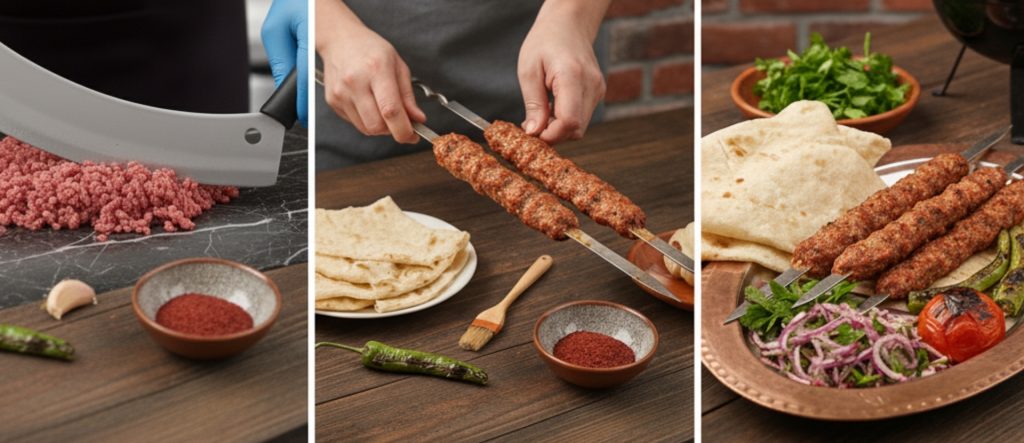
How to Make Authentic Adana Kebabı at Home: A Step-by-Step Guide
The Zırh Mincing Process: Traditional Methods
The “zırh mincing” process is one of the most critical stages of Adana Kebabı and forms the foundation of the flavor.
- Meat Selection: Meats from the shoulder, rib, and back of a young male lamb, about 1 year old, containing 20-30% tail fat, should be preferred.
- Cold Chain: Keeping the meat and tail fat cold facilitates the mincing process and prevents the deterioration of the fiber structure.
- Traditional Approach (Difficult at Home): The meat and tail fat are cut into small pieces and then minced with rhythmic movements using a zırh knife on a large wooden board. This ensures the meat is not crushed, its fibers are preserved, and it has a grainy texture without becoming pasty.
- Alternative Approach (Applicable at Home):
- Meat Grinder (Use with Caution): Use the meat grinder’s widest plate and grind the meat only once, as grinding it twice will turn the meat into a paste and disrupt the texture.
- Chopping with a Knife (Requires Patience): To achieve the closest result, slightly freeze the meat and tail fat (just hardened, not frozen). Chop them into very thin strips and then into the smallest possible pieces.
- Mixing: Avoid excessive kneading once the mincing is complete.
Marination: The Hidden Touches of the Kebab
Simplicity and correct proportions are essential in the marination of Adana Kebabı.
- Ingredients: Zırh mince (or alternative), high-quality red chili flakes (preferably Adana pepper), and sea salt or rock salt. Some regional masters may add a very small amount of red pepper powder, but this is optional and generally not used.
- Ratios: Generally, 20-30 grams of salt and 20-40 grams of chili flakes are used per 1 kg of mince, adjusted according to the chili’s spiciness.
- Preparation: Knead all the ingredients gently for about 5-7 minutes; excessive kneading can cause the meat to toughen. Lightly moistening your hand with water during kneading helps the mince adhere better to the skewer.
- Resting: Refrigerate the prepared mince for at least 2-3 hours, preferably overnight, to allow the spices to penetrate the meat and the flavors to set.
Skewering Technique: The Fire Embracing the Meat
The correct placement of the mince onto the skewers is critical both aesthetically and functionally.
- Skewer Selection: Wide, flat, stainless steel skewers are traditionally used, as they increase the surface area for better and more even cooking.
- Mince Amount: Approximately 120-150 grams of mince is ideal for each skewer.
- Skewering Method: Lightly moisten your hands with water before starting. Spread the mince flatly and evenly on both sides of the skewer. It is crucial to firmly stick the mince without crushing it so it doesn’t fall off during cooking. Create indents called “kıymık” by gently pressing with your fingers at intervals of about 2-3 cm. These indents ensure the kebab cooks better, its fat melts, and it acquires its characteristic appearance.
A Flavor Journey on Embers: Cooking Tips and Tricks
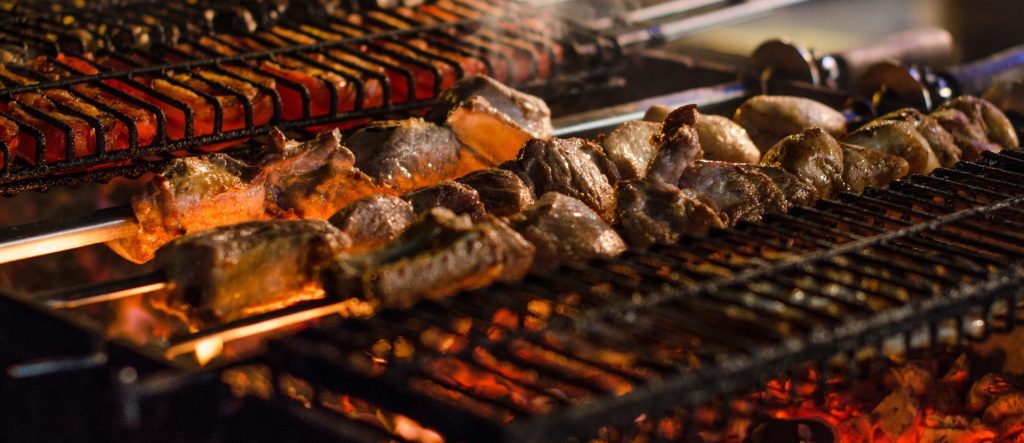
Real Adana Kebabı is expertly cooked over an oak charcoal fire.
- Fire Preparation: Use oak charcoal. Wait for the coals to become fully glowing embers; there should be no flames. Adjust the distance so the kebabs do not directly touch the fire (approximately 15-20 cm).
- Cooking Technique: Turn the skewers frequently in the initial phase to seal the outer surface and help the meat retain its juices. Continuous turning is very important (every 30-45 seconds) to ensure even and slow cooking. If too much flaming occurs, pull the skewers away briefly.
- Doneness: Adana Kebabı is generally preferred medium-well done. Avoid over-drying it to keep the inside juicy.
- Before Serving: Remove the cooked kebabs immediately. Some masters briefly wrap the kebabs in lavaş (flatbread), also heated over the embers, to preserve their flavor and temperature and allow the lavaş to be flavored by the kebab juices.
While charcoal grilling offers the most authentic flavor, home chefs without outdoor access can still achieve delicious results. Discover Cooking Tips for Oven or Electric Grill usage on Adana Kebabı.
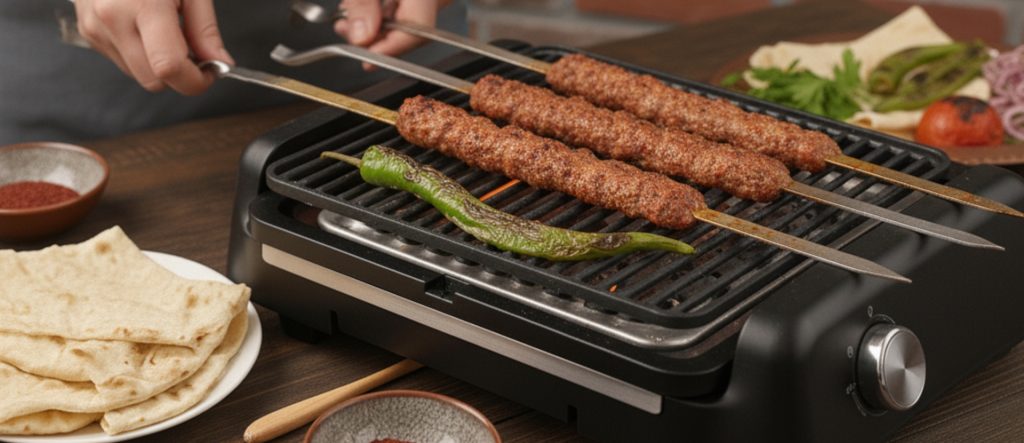
Adana Kebabı Cooking Tips for Oven or Electric Grill: Master the Indoor Kebab
What Goes with Adana Kebabı? Presentation and Accompaniments
The accompaniments served with Adana Kebabı are a full ritual, including colorful appetizers (mezes), refreshing drinks, and warm breads. Beyond the kebab itself, the vibrant array of side dishes truly completes the Adana Kebab experience.
Learn to prepare these essential accompaniments with our Best Homemade Spicy Ezme and Piyaz Recipes, perfect for pairing with your kebab.
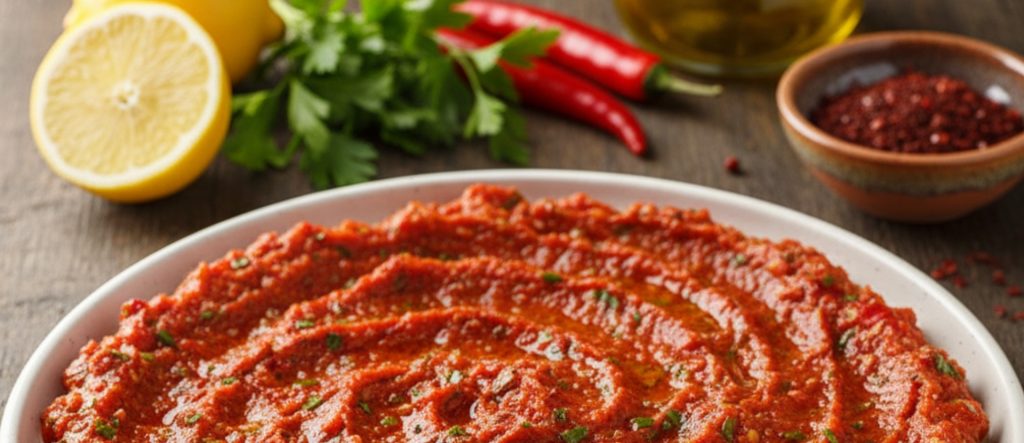
Best Homemade Spicy Ezme and Piyaz Recipes to Serve with Adana Kebabı
Sumac Onion Salad, Ezme (Spicy Paste), and Seasonal Greens
These accompaniments balance the main flavor and refresh the palate.
- Sumac Onion Salad (Sumaklı Soğan Salatası): The most classic accompaniment. Prepared with thinly sliced red onions (piyazlık), plenty of fresh parsley, and sumac. Sumac removes the sharp edge of the onions and is usually consumed wrapped inside lavaş with the kebab.
- Gavurdağı Salad or Acılı Ezme (Spicy Paste): Gavurdağı salad is prepared by finely chopping fresh vegetables and mixing them with pomegranate molasses and olive oil. Acılı ezme, which is tomato and pepper paste-based, prepared with garlic, parsley, and spices, is also essential.
- Seasonal Greens: Fresh greens like arugula (roka), parsley, and cress (tere), usually served with lemon and salt, aid digestion and leave a refreshing taste.
These dishes demonstrate that Turkish cuisine possesses a rich salad and meze culture.
Şalgam Suyu (Turnip Juice) and Ayran: Traditional Drinks
Two traditional beverages pair perfectly with Adana Kebabı.
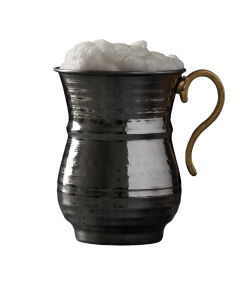
Ayran
The traditional Turkish drink prepared with yogurt, water, and salt. Served frothy and cold, ayran softens the spicy and hot flavor of the kebab, providing a refreshing contrast. Both drinks are an inseparable part of the Adana table..
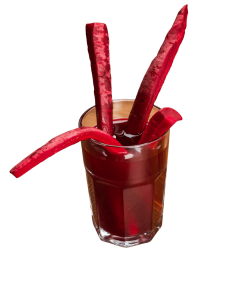
Salgam Suyu
One of Adana’s most iconic beverages. Prepared by fermentation using purple carrots, turnip radish, bulgur yeast, salt, and water. Known for its sour and slightly spicy taste, it balances the fatty nature of the kebab and aids digestion. Adana locals usually prefer the spicy (acılı) şalgam suyu.
No Adana Kebab meal is complete without its traditional beverages. Dive into the local culture with our comprehensive Adana Şalgam Suyu Guide to discover where to drink it and how to choose the best one.
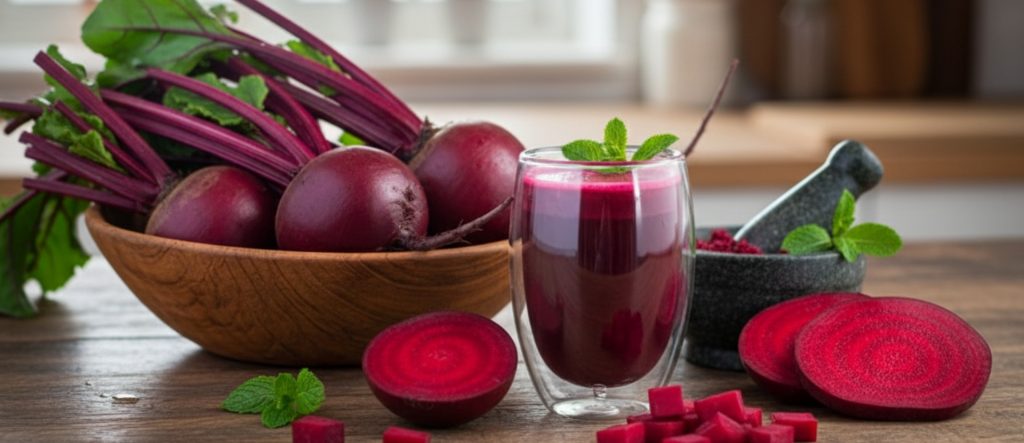
Adana Şalgam Suyu Guide: Where to Drink, How to Choose?
Lavaş (Flatbread) and Pide: Breads that Complete the Flavor
Breads are important elements that embrace the flavor and integrate the meal.
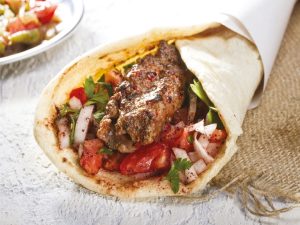
- Lavaş (Kebab Flatbread): A thin, flat bread usually served warm and fresh. It softens by absorbing the fat and juices of the kebab. Eating Adana Kebabı wrapped inside lavaş along with salads and ezmes in a roll (dürüm) is one of the traditional consumption methods.
- Pide: In some kebab houses, special pides are served (known as kebap altı), where the kebabs are placed on top so the fat and juice can soak into the bread. The pide soaked in the kebab fat becomes a flavor feast in itself.
These breads are designed to carry the rich flavor of Adana Kebabı and offer a complete experience.
Your Istanbul Journey, Perfected

Garenta: Discover More of Turkey

ON Bank: Finance Your Legacy

Experiencing Real Kebab in Adana: Flavor Stops and Tips
Experiencing the real Adana Kebabı on location is the most delicious way to understand the city’s spirit. For those seeking the soul of real kebab in Adana, the city’s long-established and historic kebab restaurants are the primary destination. Explore our curated list of The 10 Best Kebab Restaurants in Turkey.
The 10 Best Kebab Restaurants in Turkey
Historic Kebab Houses: The Taste of the Past
For those who want to capture the soul of the real kebab, the city’s long-established and historic kebab houses should be the first stop.
- Atmosphere and Experience: Found in the old bazaars or busy streets, they offer simple decor and historical photos. Seeing the masters prepare the kebabs with the precision required by the geographical indication is an integral part of the experience.
- Flavor Guarantee: These places select the highest quality meats, prepare the zırh mince using traditional methods, and promise the real flavor protected by the geographical indication.
Modern Venues: Next Generation Flavors
New-generation kebab houses blend traditional flavor with modern approaches, offering a more contemporary atmosphere.
- Innovative Presentations: They may offer more stylish decorations, different types of mezes, and drink menu options.
- The Meeting of Tradition and Modernity: They generally adhere to fundamental principles like traditional zırh mince and oak charcoal fire but may leave their own signature on marination details or cooking techniques.
Recommendations for Culinary Tourists
Correct Timing: Lunch or early dinner hours are when kebab houses are the busiest and fresh kebabs are coming out.
- Local Advice: The best way to find a reliable kebab house is to ask locals for advice.
- Spice Level: Adana Kebabı is traditionally spicy. If sensitive to spice, ask for “less spicy” or “non-spicy” options.
- Eating Ritual: The most common way to consume the kebab is by making a roll (dürüm) with lavaş, greens, and salad.
For the ultimate culinary adventure, plan your entire day around Adana’s vibrant kebab scene. Follow our suggested Kebab Tour in Adana: A Culinary Route from Breakfast to Dinner for an unforgettable gastronomic journey.

The 24-Hour Adana Kebab Marathon:
A Culinary Route from Dawn 'til Midnight
The Taste of a Cultural Heritage: Adana Kebabı
Adana Kebabı represents a deep-rooted history, rich culture, and mastery passed down through generations. Every detail, from the zırh mince to the dance of the chili flakes, is an element that makes this flavor unique. Its identity, registered with a geographical indication, is its strongest feature. Adana Kebabı is a living heritage that defines a city and symbolizes hospitality, and kebabs.com.tr aims to position it as a cultural treasure.
Explore the Diverse World of Turkish Kebabs
Testi Kebabı: Ultimate Guide to Famous Turkish Street Food
Shish Kebab: Ultimate Guide to Anatolia’s Skewered Art
Döner Kebab: Ultimate Guide to Famous Turkish Street Food
FAQ: Frequently Asked Questions about Adana Kebabı
Is Adana Kebab traditionally spicy?
Yes, authentic Adana Kebab is traditionally spicy, owing to the generous use of local red chili flakes (pul biber) in its preparation. The spice level can vary slightly, but a mild heat is inherent to its flavor profile.
What is the main difference between Adana Kebab and Urfa Kebab?
- Spiciness: The most distinct difference is that Adana Kebabı is spicy, while Urfa Kebabı is not spicy.
- Spices: Adana Kebabı uses only chili flakes (pul biber) and salt, while Urfa Kebabı uses mostly salt and sometimes sweet red pepper, with the natural flavor of the meat being more prominent.
- Preparation: Both use zırh mince and lamb. However, the proportion of tail fat added to the meat in Adana Kebabı may be slightly higher.
What kind of meat is used for Adana Kebab?
Adana Kebab is traditionally made from the finest cuts of young male lamb, specifically from the shoulder, rib, and back. Crucially, it must be combined with a specific ratio (around 20-30%) of fresh lamb tail fat to achieve its characteristic juiciness and flavor.
What does "zırh kıyması" mean and why is it important?
“Zırh kıyması” refers to the traditional method of hand-mincing the lamb and tail fat with a large, two-handled cleaver called a “zırh.” This technique is vital because it preserves the integrity of the meat fibers, ensuring the kebab remains succulent and develops a unique, desirable texture when cooked, unlike machine-ground meat.
Does Adana Kebab have a geographical indication?
Yes, Adana Kebab was officially registered with a geographical indication by the Turkish Patent and Trademark Office in 2005. This designation protects its authenticity, ensuring it is produced in Adana according to specific traditional methods and ingredients.
What are the typical accompaniments served with Adana Kebab?
Adana Kebab is traditionally served with a vibrant array of fresh side dishes, including sumac-infused onion salad, spicy tomato paste (ezme), fresh green herbs like parsley and rocket, and sometimes grilled tomatoes and green peppers.
What are the traditional drinks paired with Adana Kebab?
The most traditional beverages to accompany Adana Kebab are ice-cold turnip juice (şalgam suyu), often spicy, and frothy homemade ayran (a yogurt drink). Both offer a refreshing contrast to the rich and spicy kebab.
Can I make authentic Adana Kebab at home without a specialized cleaver?
Yes, you can achieve results close to authentic Adana Kebab at home. While a zırh cleaver is ideal, you can use a very sharp chef’s knife to hand-mince the meat or use a meat grinder’s coarsest setting for a single pass. Careful meat selection, proper fat ratio, and diligent cooking techniques are key.
What is the historical origin of Adana Kebab?
The origins of Adana Kebab are rooted in the ancient kebab traditions of Anatolia and Mesopotamia. Its current distinctive form began to take shape in the 19th century in Adana, influenced by local agricultural practices, nomadic culinary heritage, and evolving urban food culture.
How can I identify an authentic Adana Kebab when dining out?
An authentic Adana Kebab should be hand-minced, primarily made from lamb with lamb tail fat, cooked over charcoal, served on wide skewers, and accompanied by fresh regional salads and şalgam suyu. Look for restaurants that emphasize traditional preparation methods and local sourcing.