



Deep within the heart of Anatolia, where ancient traditions whisper through volcanic landscapes and the art of pottery flourishes, lies a culinary secret: Testi Kebabı. More than just a dish, this lamb (or beef/chicken) and vegetable stew, slow-cooked to perfection in a sealed clay pot, represents a profound connection between earth, fire, and flavor. Its dramatic presentation—the breaking of the pot at the table—transforms a meal into an unforgettable ritual.
This comprehensive digital atlas serves as meticulously charting Testi Kebabı’s journey from ancient Anatolian cooking methods and the pottery traditions of Avanos to its status as a celebrated cultural delicacy.
For the food historian, the culinary tourist, and the ambitious home chef alike, we will delve into its unique origins, explore the nuances of its ingredients and preparation, unravel its cooking secrets, and celebrate the cultural narratives that define this earth-fired masterpiece.
Join us as we uncover the past, present, and future of Testi Kebabı, understanding why this humble clay pot holds such a cherished legacy in Turkish gastronomy.

Testi Kebabı:
Unveiling Anatolia's Ancient Clay Pot Culinary Secret
Testi Kebabı, often recognized by its distinctive clay pot and dramatic presentation, is a culinary jewel that transcends simple cooking. It embodies a deep-seated connection to Anatolia’s ancient traditions, particularly its rich pottery heritage and methods of slow, contained cooking.
This section introduces the profound cultural and gastronomic significance of Testi Kebabı, setting the stage for a comprehensive exploration of its history, preparation, and unique allure.
More Than a Dish: A Ritual of Flavor and Tradition
Testi Kebabı is not merely a meal; it is a captivating ritual that engages all senses and offers a profound cultural experience.
- The Element of Surprise: The anticipation built around the sealed pot, followed by the dramatic breaking of its neck at the table, creates an element of surprise and excitement, making it a memorable event for diners.
- Communal Experience: Testi Kebabı is typically a dish meant for sharing, fostering a communal dining experience. The collective anticipation and the ceremonial act of opening the pot transform dining into a shared celebration.
- Sensory Delight: From the aromatic steam that billows forth as the pot is opened, to the tender textures and rich, infused flavors, Testi Kebabı offers a multi-sensory delight. The clay pot cooking method ensures a deeply aromatic and juicy result.
Cultural Connection: The entire process, from the handcrafted clay pot to the slow cooking and dramatic serving, speaks volumes about Anatolian hospitality and its rich culinary heritage. It connects diners to ancient traditions of cooking with earth and fire.
Our Digital Atlas: Charting the Legacy of Testi Kebabı
This Pillar Page aims to be the definitive digital resource for understanding Testi Kebabı, offering a comprehensive and authoritative perspective.
- Historical Origins: We will trace the ancient roots of clay pot cooking in Anatolia and its specific evolution into Testi Kebabı.
- Geographical Heartland: An in-depth look at the Cappadocia region and Avanos, the epicenter of Testi Kebabı and its pottery.
- Ingredients and Preparation: A detailed exploration of meat selection, vegetable pairings, spice blends, and the crucial technique of sealing the pot.
- Cooking Science: We will demystify the science behind slow cooking in a sealed environment, highlighting traditional tandır ovens and modern adaptations.
- Serving Ritual: An examination of the dramatic unveiling and traditional accompaniments that complete the Testi Kebabı feast.
- Regional Variations: A look into how this unique dish has been adapted across different parts of Anatolia.
- Beyond Recipes: This article goes beyond simple recipes, positioning Testi Kebabı within its historical, cultural, and geographical contexts to provide a holistic understanding of its enduring legacy.
The Roots in Clay:
Testi Kebabı's Historical and Geographical Origins
The story of Testi Kebabı is inextricably linked to the ancient lands of Anatolia, where the fusion of readily available clay and millennia-old cooking practices gave birth to this unique dish. Its history is not merely culinary but also geological and anthropological, rooted in the very earth that provides both the cooking vessel and the ingredients

Ancient Anatolian Cooking: Earth, Fire, and Sustenance
Clay pot cooking is one of the oldest and most fundamental culinary techniques in Anatolia, a region with a deep history of ceramic artistry and resourceful cooking.
- Neolithic Origins: Evidence from Neolithic settlements in Anatolia (like Çatalhöyük) shows extensive use of pottery for storage and cooking, indicating that the concept of cooking food in enclosed clay vessels dates back thousands of years.
- Resourcefulness: Clay was an abundant and easily worked material. By sealing food in clay pots and cooking them in rudimentary ovens or buried fires, ancient Anatolians discovered a way to tenderize tough meats, preserve moisture, and infuse flavors, long before modern cooking technologies.
- Slow Cooking Benefits: This early form of slow cooking allowed for efficient use of fuel and transformed basic ingredients into hearty, nutritious meals, essential for sustaining communities. The sealed environment created its own steam, ensuring food remained moist and flavors concentrated.
- Continuity of Tradition: Testi Kebabı represents a direct unbroken lineage from these ancient practices, showcasing how fundamental methods endure and evolve into sophisticated culinary expressions. It’s a testament to the timeless wisdom of cooking with natural elements.
Cappadocia and Avanos: The Heart of Pottery Kebab
While clay pot cooking exists in various forms across Anatolia, Testi Kebabı found its definitive home and iconic status in the Cappadocia region, particularly in the town of Avanos.
- Geological Abundance: Cappadocia’s unique geology, with its volcanic soil and rich deposits of red clay from the Kızılırmak River (Red River), provided the perfect raw material for pottery making. Avanos, situated on the banks of the Kızılırmak, has been a renowned center for pottery production for millennia.
- Pottery Craftsmanship: The skilled potters of Avanos, known for their elaborate and durable ceramics, naturally applied their craft to culinary vessels. The specific “testi” (amphora-shaped clay pot with a narrow neck) became the ideal vessel for this particular kebab, designed to be sealed and broken.
- Culinary Tourism: Cappadocia’s rise as a major tourist destination further cemented Testi Kebabı’s fame. The unique landscape, combined with the dramatic serving ritual, made it a quintessential Cappadocian culinary experience. Visitors not only enjoy the food but also witness the pottery tradition firsthand, often even participating in workshops.
Local Ingredients: The region’s agricultural produce, including succulent lamb, fresh tomatoes, and peppers, perfectly complemented the slow-cooking method, leading to a harmonious blend of local ingredients and traditional craftsmanship that defined Testi Kebabı. It’s a dish born directly from its environment.
Anatomy of the Clay Pot:
Ingredients, Preparation, and Sealing the Flavor
The success of Testi Kebabı hinges on the meticulous selection of ingredients and the careful assembly within its unique clay vessel, followed by the crucial act of sealing. Each component plays a vital role in creating the rich, harmonious flavors and incredibly tender textures that define this dish. Understanding the “anatomy of the clay pot” means appreciating how meat, vegetables, and spices interact within a sealed environment to produce a culinary masterpiece.
Meat Selection: Lamb, Beef, or Chicken for Slow Cooking
The choice of meat is fundamental to Testi Kebabı, as the slow-cooking method is ideally suited to tenderize tougher cuts and infuse them with deep flavor.
- Lamb (Kuzu): Lamb is the most traditional and preferred choice for Testi Kebabı. Cuts from the shoulder or leg are ideal, as they have a good balance of meat and fat, which renders slowly to keep the kebab moist and flavorful. Lamb’s rich taste also stands up well to the robust flavors of the vegetables and spices.
- Beef (Dana): Beef is a popular alternative, especially cuts like stewing beef (kuşbaşı), chuck, or brisket. These cuts benefit immensely from long, slow cooking, becoming incredibly tender and juicy. Beef Testi Kebabı often results in a heartier flavor.
- Chicken (Tavuk): For a lighter option, chicken can also be used, typically boneless chicken thighs. While less traditional, chicken benefits from the sealed, moist environment, remaining succulent. It cooks faster, so monitoring is crucial.
Preparation: Regardless of the meat choice, it’s typically cut into medium-sized cubes (kuşbaşı), about 2-3 cm (1 inch), allowing it to cook evenly and meld with the vegetables without disintegrating.
The Vegetable Symphony: Pairing with Seasonal Delights
Testi Kebabı is a vibrant medley of vegetables that complement the meat, adding sweetness, acidity, and texture, all infused with the rich juices of the slowly cooked ingredients.
- Essential Vegetables: The core vegetable symphony typically includes:
- Tomatoes: Fresh, ripe tomatoes (often peeled and chopped) provide essential moisture and a natural sweetness/acidity.
- Green Peppers (Sivri Biber): Turkish green peppers add a mild, earthy flavor and a subtle freshness.
- Onions: White or red onions, cut into wedges, provide a foundational aromatic sweetness that softens beautifully during slow cooking.
- Garlic: Whole or crushed garlic cloves are crucial for depth of flavor.
- Optional Additions: Depending on regional preference and seasonality, other vegetables can be included:
- Potatoes: Cubed potatoes add heartiness and absorb flavors wonderfully.
- Mushrooms: Button or cremini mushrooms add an earthy umami.
- Eggplant: Cubed eggplant provides a rich, meaty texture.
- Carrots: Sliced carrots add sweetness and color.
Preparation: Vegetables are typically cut into sizes comparable to the meat cubes to ensure they cook evenly and can be easily scooped out with the kebab.
Spice Blends and Aromatics: Infusing Depth
The spice blend for Testi Kebabı is designed to complement the slow cooking process, allowing flavors to gently meld and deepen over time.
- Core Spices:
- Salt and Black Pepper: Essential for seasoning the meat and vegetables.
- Dried Oregano (Kekik): A classic Anatolian herb that pairs beautifully with lamb and slow-cooked dishes, adding an earthy, aromatic note.
- Red Pepper Flakes (Pul Biber): For a gentle warmth and color. The amount can be adjusted to preference.
- Ground Cumin (Kimyon): Often used sparingly to add a subtle earthy depth.
- Aromatics: Beyond the spices, additional aromatics like bay leaf (defne yaprağı) are sometimes added for an extra layer of subtle, woody flavor that infuses during the long cooking time. A touch of fresh butter is often added to the pot for richness and to prevent sticking.
Marination (Optional): While not always a long marinade, the meat and vegetables are typically mixed with the spices and a drizzle of olive oil before being placed in the pot, allowing the flavors to begin to meld.
The Art of Sealing: Locking in Juices and Flavors
The defining characteristic of Testi Kebabı is the way the pot is meticulously sealed, a critical step that traps moisture and aromas, ensuring an incredibly tender and flavorful result.
- The Seal: After filling the clay pot with meat, vegetables, and spices, the opening of the narrow neck is typically sealed with a piece of dough (hamur). This dough acts as a perfect airtight lid.
- Purpose of the Seal:
- Moisture Retention: The airtight seal traps all the moisture released by the meat and vegetables within the pot. This creates a self-basting environment, effectively steaming the ingredients in their own juices, resulting in exceptionally tender meat and perfectly cooked vegetables.
- Flavor Concentration: By preventing the escape of steam and aromatic compounds, the seal ensures that all the flavors of the ingredients and spices concentrate within the pot, leading to a much deeper and richer taste profile.
- Even Cooking: The uniform heat distribution within the sealed pot contributes to incredibly even cooking, preventing dry spots.
- Dramatic Presentation: The sealed pot also sets the stage for the dramatic “unveiling” ritual, where the neck of the pot is broken open at the table.
Dough Preparation: The dough used for sealing is usually a simple bread dough made from flour, water, and salt. It needs to be pliable enough to form a tight seal around the pot’s neck.
The City at Your Feet
Conrad Istanbul Bosphorus: Your Terrace to an Unforgettable Skyline
After exploring the historic streets below, rise above it all to a sanctuary of contemporary luxury.
From our sweeping terraces, watch the continents converge and the city’s ancient silhouette light up the night sky. At the Conrad, the most breathtaking view of Istanbul is the one from your room.

The Dance with Fire:
Traditional and Modern Cooking Methods
The cooking of Testi Kebabı is a mesmerizing dance with fire, utilizing various heat sources to achieve its signature tenderness and deep flavors. From ancient, subterranean ovens to modern kitchen appliances, the underlying principle of slow, contained cooking remains constant, ensuring the ingredients meld perfectly within their clay prison.
Tandır and Stone Ovens: The Authentic Heat
Traditionally, Testi Kebabı is cooked in special ovens, often communal, that provide stable, indirect heat over long periods.
- Tandır (Tandoor) Ovens:
- Description: A tandır is a cylindrical clay or brick oven, often partially or fully dug into the ground. Heat is generated from a fire at the bottom, and the residual heat in the walls cooks the food slowly.
- Cooking Process: The sealed testi pots are placed directly on the hot embers or hung inside the tandır, allowing for extremely slow and even cooking. The radiant heat from the clay walls cooks the kebab gently.
- Flavor: Tandır cooking imparts a unique earthy, smoky flavor that is hard to replicate. The consistent, stable temperature is ideal for tenderizing meat over many hours.
- Stone Ovens (Taş Fırın):
- Description: Large, dome-shaped ovens made of brick or stone, heated by a wood fire. Once the fire dies down, the residual heat in the oven’s mass continues to cook for hours.
- Cooking Process: Testi pots are placed inside the preheated stone oven. The even, gentle heat from all sides slowly stews the kebab, concentrating flavors without burning.
Community Use: In many Anatolian villages, these were communal ovens used by families to cook a variety of dishes, including Testi Kebabı, making it a social hub for cooking.
Conventional Ovens: Adapting for the Home Chef
While traditional ovens are ideal, Testi Kebabı can be successfully adapted for cooking in a conventional home oven, allowing ambitious home chefs to recreate this dish.
- Pot Selection: Use oven-safe, unglazed clay pots (testi) that are specifically designed for cooking. Ensure they are free of cracks. If a traditional testi pot is unavailable, a lidded ceramic or cast-iron pot can be a functional substitute, though it will lack the dramatic breaking ritual.
- Oven Temperature: Preheat your oven to a moderate temperature, typically 160-180°C (325-350°F). The goal is long, slow cooking, not high-heat roasting.
- Cooking Time: Depending on the size of the pot and type of meat, Testi Kebabı can cook for 2.5 to 4 hours in a conventional oven. Lamb and beef require longer cooking times than chicken.
- Sealing: The crucial step of sealing the pot with dough is still vital to trap moisture and flavors, even in a conventional oven. Ensure the seal is tight to prevent steam from escaping.
Placement: Place the sealed pot on a baking sheet to catch any potential drips, then into the preheated oven.
The Science of Slow Cooking: Pressure, Moisture, and Tenderness
The slow-cooking process in a sealed clay pot is underpinned by fascinating scientific principles that explain its unique flavor and tenderness.
- Steam and Pressure: As the ingredients heat up within the sealed pot, moisture turns into steam. This steam creates a slightly pressurized environment inside the pot. This internal pressure helps to tenderize the meat by forcing moisture and flavor into the muscle fibers.
- Collagen Breakdown: Slow, moist heat is highly effective at breaking down collagen, the tough connective tissue in meat, into gelatin. Gelatin is what gives slow-cooked meat its incredibly tender, “melt-in-your-mouth” quality and contributes to the richness of the sauce.
- Flavor Concentration: The sealed environment prevents aromatic compounds from escaping, allowing flavors to intensify and meld. The juices released by the meat and vegetables mingle, creating a rich, deeply flavored sauce that permeates all ingredients.
Even Cooking and Moisture Retention: The clay pot’s insulating properties and the internal steam ensure a very even cooking temperature throughout the food, minimizing moisture loss and preventing dry spots. The meat bastes itself in its own flavorful liquids.
The Unveiling Ritual:
Breaking the Pot and Serving the Feast
The culmination of preparing Testi Kebabı is its dramatic and highly anticipated unveiling ritual: the breaking of the sealed clay pot. This act transforms a simple meal into an unforgettable spectacle, engaging all senses and creating a communal experience that is as much a part of the tradition as the delicious food itself. This section explores the ceremonial presentation and traditional accompaniments that complete the Testi Kebabı feast.
Sumac Onion Salad, Ezme (Spicy Paste), and Seasonal Greens
These accompaniments balance the main flavor and refresh the palate.
- Sumac Onion Salad (Sumaklı Soğan Salatası): The most classic accompaniment. Prepared with thinly sliced red onions (piyazlık), plenty of fresh parsley, and sumac. Sumac removes the sharp edge of the onions and is usually consumed wrapped inside lavaş with the kebab.
- Gavurdağı Salad or Acılı Ezme (Spicy Paste): Gavurdağı salad is prepared by finely chopping fresh vegetables and mixing them with pomegranate molasses and olive oil. Acılı ezme, which is tomato and pepper paste-based, prepared with garlic, parsley, and spices, is also essential.
- Seasonal Greens: Fresh greens like arugula (roka), parsley, and cress (tere), usually served with lemon and salt, aid digestion and leave a refreshing taste.
These dishes demonstrate that Turkish cuisine possesses a rich salad and meze culture.
Traditional Accompaniments: Rice, Lavaş, and Salads
Testi Kebabı, with its rich and hearty flavors, is perfectly complemented by simple, fresh accompaniments that provide balance and absorb its delicious juices.
- Pilav (Rice): A staple accompaniment, fluffy Turkish rice (often made with orzo pasta, known as şehriyeli pilav) is ideal for soaking up the rich, flavorful sauce from the Testi Kebabı. Its neutral taste provides a perfect base for the more intense flavors of the kebab.
- Fresh Lavaş or Pide Bread: Soft, warm lavaş or traditional pide bread is essential for scooping up the tender meat and vegetables, and for soaking up any remaining juices in the pot. It’s an integral part of the communal dining experience.
- Green Salads: Simple, crisp green salads dressed with olive oil and lemon juice, or a refreshing Shepherd’s Salad (Çoban Salata) with finely diced tomatoes, cucumbers, and onions, provide a fresh, tangy contrast to the richness of the kebab.
Yogurt (Yoğurt): A dollop of plain, thick yogurt is often served on the side, offering a cooling and creamy counterpoint, especially if the kebab has a subtle spicy kick.
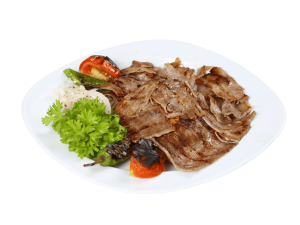
Orıgınal Turkısh Döner
The foundational Döner, traditionally made from marinated lamb or beef cooked on a vertical spit, is characterized by its rich meat flavor. Served simply on a plate with rice or wrapped in thin lavaş, it emphasizes the pure taste of the meat, often accompanied by basic onions and tomatoes.
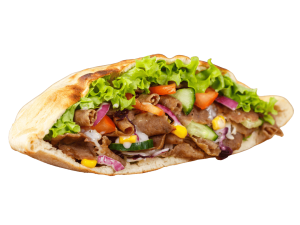
German Style Döner
A culinary icon born from Turkish migration, German Döner features a generous mix of fresh salads, diverse sauces (garlic, herb, spicy), and is often served in a large, quartered flatbread. This adaptation caters to varied tastes, making it a beloved street food staple across Germany.
A Culinary Experience: Beyond Just Eating
Eating Testi Kebabı is more than simply consuming food; it’s an immersive culinary experience that connects diners to centuries of Anatolian tradition.
- Interactive Dining: The act of breaking the pot, the communal sharing, and the combination of flavors from the various accompaniments create an interactive and engaging meal.
- Storytelling: Each bite tells a story – of the potter’s craft, the farmer’s produce, and the cook’s patience. It encourages an appreciation for the journey of food from earth to table.
Cultural Immersion: For culinary tourists, Testi Kebabı offers a deep dive into Turkish culture, showcasing not just its flavors but also its customs, hospitality, and traditional craftsmanship. It leaves a lasting impression that goes beyond the taste buds.
Your Istanbul Journey, Perfected

Garenta: Discover More of Turkey


ON Bank: Finance Your Legacy

Regional Variations and Modern Interpretations of Testi Kebabı
While Testi Kebabı is most famously associated with Cappadocia, its fundamental concept of slow-cooking in clay has inspired various regional adaptations and continues to evolve with modern culinary interpretations. This showcases the enduring appeal of the technique and its adaptability across diverse palates and contexts.
Beyond Cappadocia: Local Adaptations Across Anatolia
The practice of cooking in sealed clay pots is a widespread Anatolian tradition, leading to similar dishes in various forms, even if not always explicitly called “Testi Kebabı.”
- Different Meats and Vegetables: While lamb is primary in Cappadocia, other regions might use more beef or even goat meat, depending on local livestock availability. The accompanying vegetables also vary seasonally and regionally, incorporating local produce.
- Other Clay Pot Dishes: Many Turkish provinces have their own versions of “güveç” (earthenware casserole) or “çömlek kebabı” (pot kebab) that employ a similar slow-cooking principle in clay vessels, though perhaps without the dramatic pot-breaking ritual. These dishes share the characteristic tenderness and concentrated flavors.
- Sealing Methods: While dough is common for Testi Kebabı, other clay pot dishes might use tightly fitting lids, or even foil/parchment paper as a more accessible sealing method, demonstrating the core principle of creating a contained cooking environment.
Subtler Spice Profiles: Some regional variations might feature milder spice blends, focusing more on the natural sweetness of the vegetables or a different aromatic herb profile.
Contemporary Takes: Adapting for Diverse Palates
Modern chefs and home cooks continue to interpret Testi Kebabı, adapting it for diverse palates, dietary needs, and contemporary cooking methods.
- Vegetarian/Vegan Testi: Reflecting global culinary trends, vegetarian or vegan versions of Testi Kebabı are emerging, using hearty vegetables like eggplant, zucchini, chickpeas, or mushrooms as the main components, slow-cooked in a flavorful tomato-based sauce.
- Gourmet Ingredients: Some high-end restaurants might elevate Testi Kebabı by using premium cuts of meat, artisanal local vegetables, or even incorporating unexpected elements like truffles or exotic spices, offering a “gourmet” interpretation of the rustic dish.
- Smaller Portions: For individual diners or smaller households, smaller, single-serving clay pots (often called “güveç”) are used, allowing for individual customization and portion control, while still maintaining the sealed cooking principle.
Hybrid Cooking Methods: Home chefs might pre-sear the meat on a stovetop before transferring it to the clay pot and oven, to add an extra layer of caramelized flavor before the slow cooking begins. This blends traditional methods with modern culinary techniques.
Testi Kebabı – A Timeless Earth-Fired Masterpiece
Our journey through “Testi Kebabı: Anatolia’s Clay Pot Culinary Secret and Dance with Fire” has unveiled a dish that is a profound embodiment of Turkish culinary heritage, transcending mere sustenance to become a captivating ritual.
From its ancient Anatolian roots, deeply connected to the pottery traditions of Cappadocia’s Avanos, to its meticulous preparation and dramatic tableside unveiling, Testi Kebabı represents a harmonious blend of earth, fire, and flavor. We’ve explored the careful selection of lamb, beef, or chicken, the symphony of seasonal vegetables, and the art of sealing in juices and aromatics.
Whether cooked in a traditional tandır oven or a modern home oven, the science of slow cooking in a sealed clay pot consistently delivers unparalleled tenderness and concentrated flavors. Testi Kebabı, completed by fresh accompaniments and shared in a spirit of hospitality, stands as a timeless and cherished masterpiece of Anatolian gastronomy, inviting all to partake in its rich history and unforgettable experience.
Explore the Diverse World of Turkish Kebabs
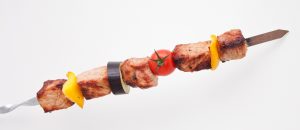
Shish Kebab: Ultimate Guide to Anatolia’s Skewered Art

Döner Kebab: Ultimate Guide to Famous Turkish Street Food

Adana Kebab: A Ultimate Guide to Turkish Culinary Heritage
FAQ: Frequently Asked Questions about Testi Kebabı
What is Testi Kebabı?
Testi Kebabı, also known as Pottery Kebab, is a traditional Anatolian dish, especially famous in Cappadocia. It involves cooking meat (typically lamb or beef) with vegetables in a sealed clay pot (testi) over a slow fire, often in a tandoor oven, then dramatically breaking the pot at the table.
What kind of meat and vegetables are usually in Testi Kebabı?
Lamb or beef (or a mix) are common, cut into small cubes. Vegetables often include onions, garlic, tomatoes, green peppers, carrots, and sometimes mushrooms or potatoes. Spices like black pepper, red pepper flakes, oregano, and thyme are also used.
Why is it cooked in a clay pot?
The clay pot creates a sealed environment, trapping all the moisture, juices, and aromas inside. This slow-cooking method tenderizes the meat incredibly, infuses the flavors of the vegetables and spices deeply, and results in a highly aromatic and succulent stew.
What is the "breaking the pot" ritual?
The most distinctive aspect of Testi Kebabı is its serving. The sealed pot is brought to the table, and its neck is ceremoniously broken open with a small hammer, releasing a burst of aromatic steam and revealing the perfectly cooked contents. It’s a captivating, interactive dining experience.
Where does Testi Kebabı originate from?
Testi Kebabı is deeply rooted in Anatolian cuisine, with its origins particularly strong in the Cappadocia region of Turkey, known for its unique pottery traditions.
Can Testi Kebabı be made at home?
Yes, it can be adapted for home cooking. While a traditional tandoor oven is ideal, you can use a regular oven. The key is to use a food-safe clay pot designed for cooking and ensure it’s properly sealed (often with dough) to mimic the traditional method.
Is Testi Kebabı a spicy dish?
Generally, Testi Kebabı is not excessively spicy. It focuses more on the rich, slow-cooked flavors of the meat and vegetables, seasoned with aromatic spices. The spice level can be adjusted to personal preference, often with red pepper flakes.
What are the typical accompaniments for Testi Kebabı?
Testi Kebabı is a complete meal in itself. It is often served simply with plain rice (pilav) or bulgur pilaf, and sometimes a simple yogurt or salad to complement the rich flavors.
Are there vegetarian versions of Testi Kebabı?
While traditionally meat-based, vegetarian versions of Testi Kebabı can be made using a variety of hearty vegetables like mushrooms, potatoes, eggplants, and chickpeas, offering a flavorful plant-based alternative.
What makes Testi Kebabı a "cultural experience"?
Beyond its taste, Testi Kebabı is a cultural experience due to its ancient cooking method (connecting to earth and fire), the anticipation and drama of the pot-breaking ritual, and its role in communal dining and hospitality, particularly in the Cappadocia region.